 China eBike
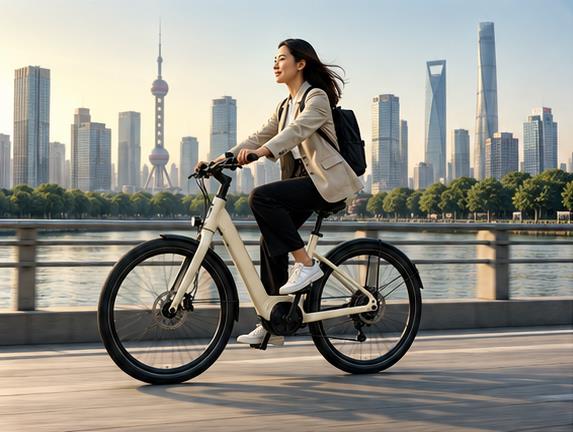
16-Inch vs. 20-Inch Folding E-Bikes: How Wheel Size Affects Ride and Portability
Compare 16-inch and 20-inch folding e-bike wheel sizes for storage, carrying, comfort, handling, rider fit, and daily commuting.
The knowledge base
Twenty deeply researched guides spanning e-bike technology, buying decisions, regulation and China's global supply chain.
Compare 16-inch and 20-inch folding e-bike wheel sizes for storage, carrying, comfort, handling, rider fit, and daily commuting.
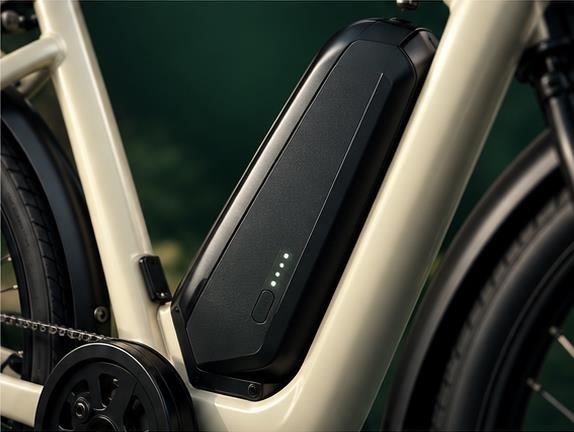
Learn what 18650 and 21700 cell formats reveal about e-bike battery layout, energy, current limits, heat, and supplier documentation.
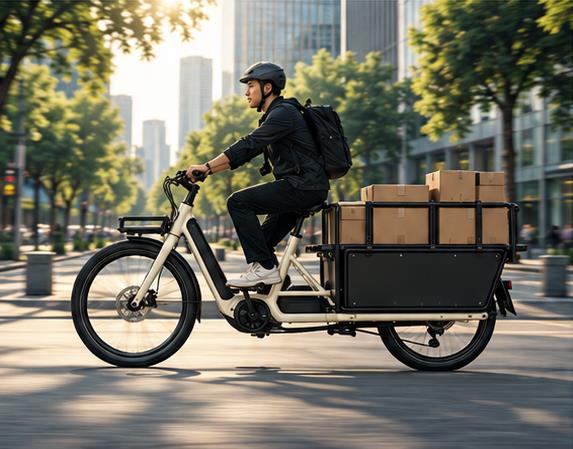
Understand how 36V and 48V e-bike systems affect current, compatibility and design choices, without confusing voltage with range or capacity.
Pinion’s production MGU and Avinox’s 2026 MG Concept show why integrating motor and transmission could reshape e-bike drivetrains, maintenance and frame design.
Avinox has pushed premium e-bike motors toward higher torque and peak output. Here is what M1, M2 and M2S reveal about the next phase of e-bike drive-system competition.
A clear guide to what Avinox has confirmed about the MG Concept Motor, what remains unknown, and how it differs from existing Avinox systems.
A practical guide for brands and professional buyers sourcing e-bikes from China, covering OEM/ODM selection, samples, batteries, compliance, QC, shipping, change control and after-sales support.
A practical 2026 cargo e-bike guide covering longtails, compact cargo bikes, payload, batteries, motors, brakes, passenger carrying and real-world buying priorities.
EU e-bike import data shows China regaining volume share in 2025 and 2026. Here is what changed, how China compares with Taiwan and what the numbers mean for suppliers.
A plain-English guide to China’s updated electric bicycle and lithium-ion battery standards, including anti-tampering, fire safety, braking, weight and traceability implications.
A practical commuter e-bike buying guide focused on daily reliability, realistic battery range, motor choice, brakes, comfort, racks, lights and service support.
Learn how to separate DJI Avinox drive-unit, battery, software and complete-bike specifications when comparing Avinox-equipped e-bikes.
A practical Avinox MGU comparison covering mid-drive architecture, drivetrain integration, workshop interfaces and limits of official specifications.
Understand what an e-bike battery BMS monitors, how balancing and protection cutoffs work, and how to approach common battery fault symptoms safely.
What watt-hours mean, how battery size affects range and weight, and how to choose between 400Wh, 500Wh, 625Wh and 800Wh e-bike batteries.
Learn how to match an e-bike replacement charger by checking charging voltage, current limits, connector pins, polarity, and maker guidance.
Learn how to verify e-bike battery compatibility by checking voltage, connectors, fit, charger requirements and possible BMS communication.
A practical guide to UL 2849, UL 2271, lithium-ion battery safety, CPSC enforcement signals and the questions e-bike importers should ask suppliers.
Compare e-bike belt drives and chains for maintenance, cleanliness, gearing, efficiency, repair access, and frame compatibility.
Learn how an e-bike brake cutoff sensor stops motor assist, how to identify a likely fault, and why it must be restored before riding.
A comparison of major EU and U.S. low-speed e-bike definitions, including the EU 250W/25km/h pedelec rule and the U.S. three-class model.
Learn how to read an e-bike motor IP rating, what its dust and water tests cover, and why it does not define whole-bike weather resistance.
A practical guide to hub-drive and mid-drive e-bike motors, covering efficiency, ride feel, maintenance, cost, torque, gearing, and the use cases each system suits best.
Learn how to compare e-bike payload capacity, maximum system weight and rack limits before carrying riders, cargo or accessories.
Why an e-bike’s advertised peak watts may not determine its legal class, and what power, speed, pedal and document checks matter.
Learn what rated and peak e-bike motor power mean, how Chinese listings use watt figures, and what to check before comparing models or markets.
Understand e-bike regenerative braking, which motor systems can support it, its limits for range, and what to verify in manufacturer documentation.
Understand torque sensor vs cadence sensor e-bike assist, how each responds to pedaling, and which specifications matter before buying.
Understand torque vs cadence sensor e-bikes, how each responds to pedalling, and which system may suit your terrain, effort, and riding style.
Understand continuous power, peak watts, torque, cadence and gearing so you can compare e-bike motors without being misled by headline specifications.
What the EU Battery Regulation’s 2027 battery-passport requirement means for light means of transport batteries, e-bike brands, importers and suppliers.
A practical guide to EU Battery Regulation duties for e-bike importers, including LMT classification, CE marking, labelling, recycling and transport.
A practical checklist for matching e-bike declarations, test reports and technical files to the exact configuration placed on the EU market.
A practical guide to checking EU e-bike compliance documents, declarations, standards evidence and technical-file access before import.
A practical guide to EU e-bike compliance, CE marking, EN 15194, supplier records, battery documents, and importer checks before shipment.
European e-bike sales cooled after the pandemic boom, but the market remains structurally larger than in 2019. A data-led look at volume, prices and recovery signals.
Learn how to compare folding e-bike folded dimensions, weight, carry points, and storage routes before choosing a bike for commuting.
How to choose a folding e-bike by balancing folded dimensions, weight, battery capacity, wheel size, motor power, hinge design and real-world portability.
GB 17761-2024 covers the complete electric bicycle, while GB 43854-2024 addresses its lithium-ion battery cells and packs.
Germany and the Netherlands are both mature e-bike markets, but 2025 data shows major differences in scale, retail channels, pricing and demand structure.
A practical method for estimating e-bike range using watt-hours, terrain, rider input, assistance level, temperature, speed and motor efficiency.
Estimate e-bike battery charging time using watt-hours, charger output and starting charge level, with practical caveats for tapering.
A practical Chinese e-bike OEM audit framework for verifying factory capability, quality controls, component traceability, compliance evidence, and after-sales support.
Learn how to assess e-bike battery health, separate normal range changes from faults, and know when dealer diagnostics are needed.
Estimate e-bike range for a planned route using remaining battery energy, recent Wh-per-distance data, terrain, assist level, weather, and reserve.
A practical due-diligence guide for importers assessing Chinese e-bike OEM and ODM suppliers, from factory control to contracts.
A practical due-diligence framework for assessing Chinese e-bike OEM suppliers, from factory control and components to samples and warranty support.
Compare hub-motor and mid-drive e-bikes for commuting, with practical guidance on hills, maintenance, range, repair access and cost.
Compare hub motors and mid-drives for hills, commuting, cargo, handling, drivetrain wear and service before choosing an e-bike.
How China’s e-bike supply chain works from motors and batteries to frames, final assembly, OEM/ODM development and compliance — and where suppliers can create more value.
Compare LFP and NMC e-bike batteries by energy density, weight, voltage architecture, ageing, safety considerations and pack design.
A technical comparison of lightweight and full-power electric mountain bikes, covering motor torque, batteries, total weight, handling, range and rider use cases.
Compare longtail and front-loader cargo e-bikes for children, bulky goods, handling, storage, parking, and loaded everyday riding.
Compare removable and integrated e-bike batteries for home charging, theft exposure, weather protection, replacement access and service.
Understand torque sensor vs cadence sensor e-bike assist, how each responds to pedaling, and what to compare before buying.
A practical guide to checking UN 38.3 test summaries, shipment details, and the limits of transport compliance for e-bike batteries.
A practical guide to checking UN 38.3 evidence for e-bike batteries, matching documents to packs, and preparing for mode-specific transport rules.
Learn what a UN 38.3 e-bike battery test summary supports for transport, how to match it to a shipment, and what it does not prove.