 China eBike
E-Bike Brake Cutoff Sensors: How They Work and How to Diagnose Faults Safely
Learn how an e-bike brake cutoff sensor stops motor assist, how to identify a likely fault, and why it must be restored before riding.
An e-bike that powers on normally but produces no pedal assist or throttle response can have several possible faults. A brake cutoff sensor is one of the more straightforward causes to check, particularly when both pedal assist and throttle stop working at the same time.
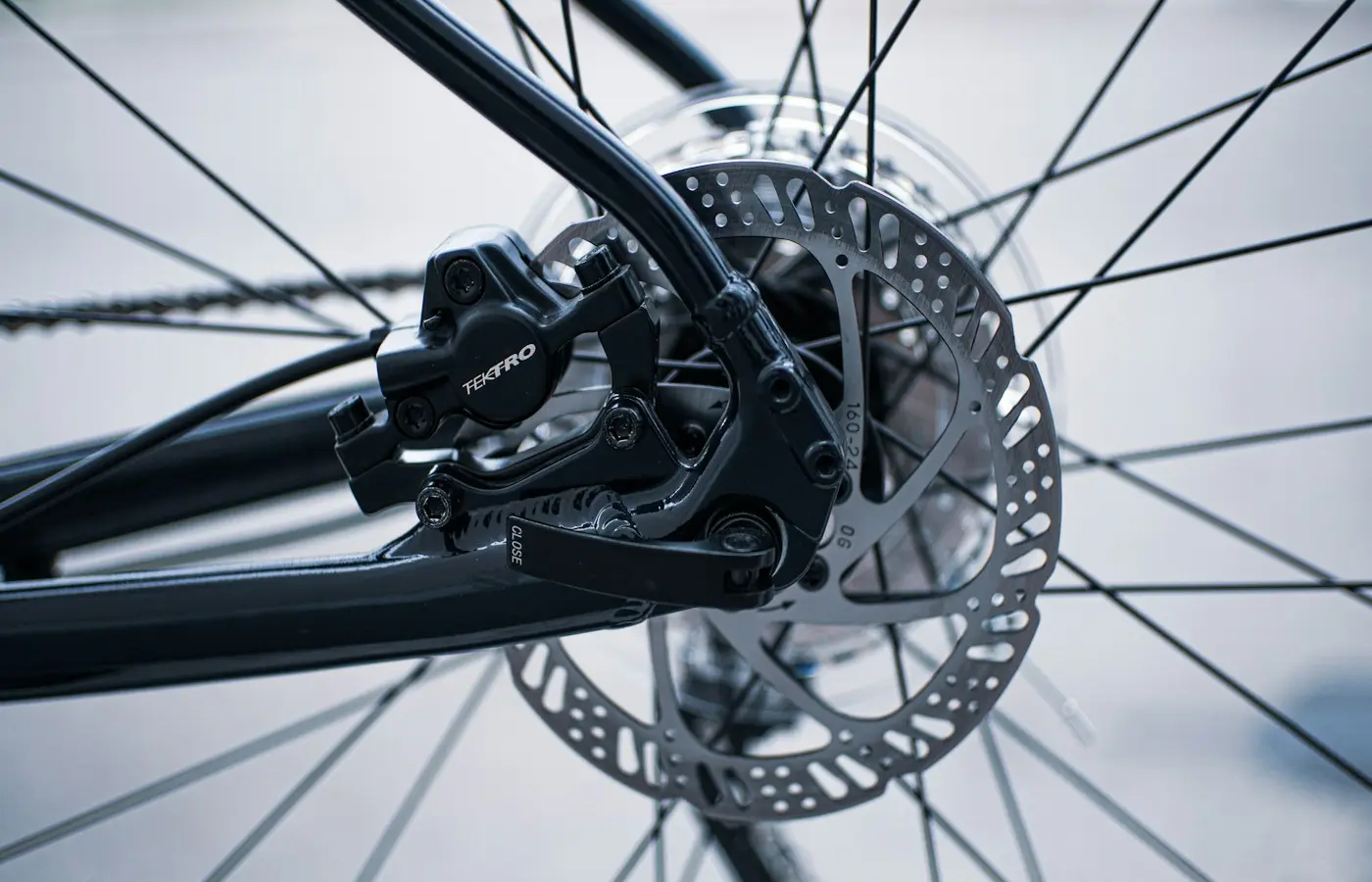
The important distinction is that a brake cutoff fault is not a brake-performance problem by itself. The bicycle may still brake mechanically or hydraulically, but the motor controller may incorrectly believe that a brake lever is being held. In response, it inhibits motor output as a safety measure.
A stuck or misread brake input is only one possible explanation for a no-assist condition. Battery state, connection problems, speed-sensor faults, throttle position, controller issues, and model-specific startup interlocks can produce similar symptoms. The goal is therefore to identify a brake-cutoff problem methodically—without turning off or bypassing a safety feature for normal riding.
When a brake cutoff sensor may be causing a no-assist problem
A brake cutoff sensor becomes a likely suspect when the display and battery appear to operate normally, but the motor will not respond to either pedalling or the throttle, where fitted. Some systems may also show a brake-related warning or fault code.
For example, Ride1Up identifies a combination of normal display operation, no motor power through pedal assist or throttle, and a brake-sensor error as symptoms worth investigating on supported models.1 MOD BIKES describes Error 25 on its documented systems as an indication that the electronic brake shutoff is active—that is, the bike believes a brake is being held.2
Do not treat an error-code number as universal. “Error 25” can have a brake-related meaning on certain models, but display codes are defined by the manufacturer and can differ between motor systems, displays, and generations of the same product. Check the owner manual or the brand’s model-specific support material before assigning meaning to any code.
Other clues that point toward the brake circuit include:
- Motor assist cuts in and out when a brake lever is moved, tapped, or allowed to return.
- One brake lever does not fully return to its resting position.
- A parking-brake feature is engaged or partly engaged.
- The problem began after a fall, handlebar adjustment, transport damage, or work around the cockpit.
- A thin wire running from a brake lever is pinched, stretched, loose, or damaged.
These signs do not prove that the sensor itself has failed. A connector, cable, lever adjustment, or parking mechanism can keep the controller seeing an active brake signal.
What an e-bike brake cutoff sensor does
An e-bike brake cutoff sensor is an electrical input to the motor-control system. When the rider applies a brake lever, the sensor changes state. The controller receives a brake-active signal and stops, or prevents, motor assistance.
The control sequence is simple:
- The rider pulls a brake lever.
- The lever-mounted or externally mounted sensor reports brake application.
- The controller interprets that input as active braking.
- Motor assistance is inhibited while the brake signal remains active.
EVELO describes this expected behavior directly: when its brake sensors are triggered, motor assist ceases.3 This function is especially relevant on bikes with a throttle, because it helps ensure motor power does not continue to drive the wheel while the rider is braking.
The cutoff circuit is separate from the bicycle’s mechanical, cable-actuated, or hydraulic braking system. A brake cutoff sensor does not create braking force; it communicates brake-lever status to the electrical system.
It should also not be confused with e-bike ABS sensing. On an e-bike equipped with anti-lock braking technology, an ABS system can use wheel-speed sensing and a target wheel to monitor wheel motion and manage braking to reduce lock-up risk.4 A brake cutoff sensor, by contrast, is normally concerned with whether the rider has applied the brake lever, not with measuring wheel speed for ABS control.
Common brake cutoff sensor designs and why the layout matters
Brake cutoff equipment varies by bicycle, brake type, motor system, and market. Not every e-bike has brake cutoff sensors, and the parts are not necessarily interchangeable even when they look similar.
The two broad arrangements riders are most likely to encounter are shown below.
| Layout | Where the sensor is found | What typically changes during diagnosis |
|---|---|---|
| Integrated lever sensor | Built into, or supplied as part of, a compatible brake lever | The lever, sensor lead, connector, and adjustment position may need inspection as one assembly. |
| External or add-on sensor arrangement | Mounted separately near a lever and paired with a magnet or other actuator arrangement | Alignment, mounting security, sensor position, and the external cable route become important checks. |
Ride1Up’s support material refers to brake cutoff sensors located in the brake levers on several of its models and provides model-specific testing and adjustment guidance.1 Biktrix likewise directs users to trace the thinner wires from the brake sensors to connectors located near the brake handle.5
Those examples should not be treated as a universal connector map. One bike may use compact inline connectors near the lever, while another may route the cable into the frame or through a handlebar harness. Connector shapes, wire counts, sealing methods, and electrical logic can differ. Before unplugging anything, identify the component using the owner manual, parts diagram, or manufacturer troubleshooting instructions for the exact model.
Avoid guessing sensor type from appearance. It is not necessary to identify the internal sensing technology to carry out basic external checks, and incorrect assumptions can lead to unsuitable replacement parts or unsafe wiring work.
Safe checks before disconnecting anything
Start with the least invasive checks. A brake cutoff problem may be caused by a lever being physically held rather than by an electrical failure.
1. Make the bike safe to inspect
Switch the e-bike system off. Follow the manufacturer’s instructions on battery removal or isolation before working near connectors. Do not work on a powered electrical system unless the model-specific procedure expressly requires it and you understand the instruction.
Support the bike securely. Keep hands, clothing, and tools away from the drivetrain and wheel. If the bike has a throttle, do not assume that a stationary bike cannot move unexpectedly when power is restored.
2. Check both brake levers return fully
Release each lever and observe whether it returns smoothly to its normal resting position. Look for a bent lever, interference from grips or accessories, damaged housing, a binding pivot, or a cable that is under strain.
If the brake itself feels spongy, binds, fails to return, makes unusual contact with the wheel, or performs poorly, stop troubleshooting the electrical fault and arrange qualified brake service. Motor-assist diagnosis should not take priority over braking safety.
3. Release any parking-brake feature
Some e-bikes use a parking mechanism that holds a brake lever partly applied. On systems documented by MOD BIKES, an engaged parking brake can hold the lever down and keep the electronic brake shutoff active, producing Error 25.2
Check the owner manual for the bike’s parking-brake design. Do not force a small latch, button, or lever if its operation is unclear. Releasing a parking mechanism may clear the condition immediately if that was the cause.
4. Inspect sensor wires and connectors visually
Follow each brake-sensor wire from the lever as far as it can be safely seen. Look for:
- A cable trapped under an accessory clamp or twisted around the handlebar.
- Abrasion, cuts, crushed insulation, or exposed conductors.
- A connector that is not fully seated.
- Bent pins, moisture, corrosion, or a damaged connector shell.
- Excessive tension when the handlebar is turned from side to side.
Do not probe pins with improvised tools, bridge terminals, cut wires, or attempt a wiring bypass. A damaged harness or connector needs model-appropriate repair, not a workaround.
Biktrix advises that e-bike service involving battery voltage, electrical components, and specialized mechanical work should be performed by qualified, trained professionals.5 That is especially relevant if insulation is compromised, connectors are damaged, or the fault is inside the frame or controller area.
How to isolate a suspect left or right brake sensor
Some manufacturers provide a temporary disconnect-and-compare procedure to identify which brake input is causing a fault. This is a diagnostic isolation test only. It is not a configuration for ordinary riding.
EVELO’s documented procedure, for example, has the user disconnect both brake-sensor connectors, then reconnect and assess the left and right sensors individually to identify the source of the problem.3 Biktrix provides similar guidance: trace both brake-sensor wires, disconnect both cutoff switches, and use the resulting behavior to determine which switch is implicated.5
Use such a test only when the exact bike manufacturer permits it and provides instructions for the connector arrangement. The general logic is:
- Turn the system off and isolate the battery as instructed by the manufacturer.
- Identify the left and right brake-sensor connectors. Confirm that they are sensor connectors, not brake-light, display, or lighting connectors.
- Disconnect both sensor inputs only according to the manufacturer’s procedure.
- Restore power and perform the specified controlled test. Keep the bike secure and do not treat the disconnected state as suitable for normal road use.
- Turn the system off again, reconnect one sensor, and repeat the specified check.
- Repeat with the other sensor connected instead.
If assist returns only when one particular sensor is disconnected, that lever assembly, sensor lead, or its connection is a strong suspect. If neither individual test changes the condition, the cause may be elsewhere.
The exact test environment matters. A manufacturer may specify a cautious test ride, while another may require a workshop check or technician diagnosis. Follow the bike maker’s instructions over general advice because controller behavior varies. Some systems may not operate normally with a disconnected input, and others may report a different fault.
Never leave a brake cutoff sensor unplugged as a permanent solution. Without the original safety input, the motor may continue to provide assistance when a brake lever is applied. That can be particularly hazardous on throttle-equipped bikes or in low-speed manoeuvres.
What the results mean—and when repair is the right next step
The result of a basic inspection or manufacturer-approved isolation test can help narrow the repair path.
| Result | Likely interpretation | Sensible next step |
|---|---|---|
| A parking brake or stuck lever is holding the sensor active | Mechanical lever position is causing the electrical shutoff | Release or correct the mechanism, then confirm normal brake function and assist operation. |
| The fault disappears when one sensor is disconnected | That lever’s sensor, cable, connector, or adjustment is likely involved | Inspect the associated assembly and use approved replacement or service procedures. |
| The fault remains with both sensor inputs disconnected, where the manufacturer permits this test | The brake sensors may not be the cause | Check other documented no-assist causes or seek system diagnosis. |
| Wiring or connector damage is visible | The circuit may be unreliable or unsafe | Stop using the bike until the damaged part is properly repaired or replaced. |
| Brake performance is poor or a lever does not return correctly | A mechanical brake issue may coexist with the electrical symptom | Arrange qualified brake service before further riding. |
A sensor-related fault does not always mean that the sensor alone should be replaced. A lever that does not return, a connector pulled partly apart by steering movement, or an incorrectly positioned component can produce the same controller response. Conversely, a fault that remains after lever checks and approved sensor isolation may involve the main harness, controller, display, battery communication, or another model-specific interlock.
At that point, resetting the display repeatedly is unlikely to establish the cause. Use the manufacturer’s service documentation or a qualified e-bike technician, particularly if the bicycle is under warranty or uses an integrated wiring harness.
Frequently asked questions
Can I ride an e-bike with the brake cutoff sensor unplugged?
Not as a normal riding configuration. A disconnected brake cutoff may be used briefly for a manufacturer-supported diagnostic test, but the safety function should be restored before regular use. An unplugged sensor can allow motor assistance to remain active when the rider applies the brake.
Why does my e-bike turn on but provide no pedal assist or throttle?
A brake cutoff input that remains active is one possible cause, especially if both pedal assist and throttle are unavailable. Other possibilities include battery or connection issues, speed-sensor faults, throttle-related conditions, controller faults, and model-specific startup requirements. Check the manual and diagnose in a structured order rather than assuming the brake sensor is responsible.
What does Error 25 mean on an e-bike?
It depends on the brand and model. MOD BIKES documents Error 25 as an active electronic brake shutoff condition on certain systems, and Ride1Up notes brake-sensor-related Error 25 messages on many of its supported models.21 Do not apply that interpretation to another e-bike without checking its own documentation.
Do all e-bikes have brake cutoff sensors?
No. Equipment differs by model, motor system, brake configuration, intended market, and manufacturer design. Some bikes have lever-based motor cutoffs, while others may use different control arrangements or no rider-serviceable brake cutoff sensor.
Practical takeaway
Treat an e-bike brake cutoff sensor as a safety input, not an optional accessory. If the bike powers on but will not assist, first check for a held lever, engaged parking brake, damaged cable, or loose connector. If the manufacturer permits it, use a brief, controlled left-versus-right sensor isolation test to narrow the fault.
Once a brake sensor, lever, or cable is identified as the cause, restore the system with the correct repair or replacement. A bike that works only with its brake cutoff disconnected is not fixed.