 China eBike
Longtail vs. Front-Loader Cargo E-Bikes: Which Layout Fits Your Loads?
Compare longtail and front-loader cargo e-bikes for children, bulky goods, handling, storage, parking, and loaded everyday riding.
Choosing between a longtail vs front loader cargo bike is usually less about headline payload and more about where, how, and how often you carry things. A rear-seat family bike, a grocery hauler, a delivery tool, and a bike for moving awkward parcels can all be called cargo e-bikes, but they place weight in very different locations.
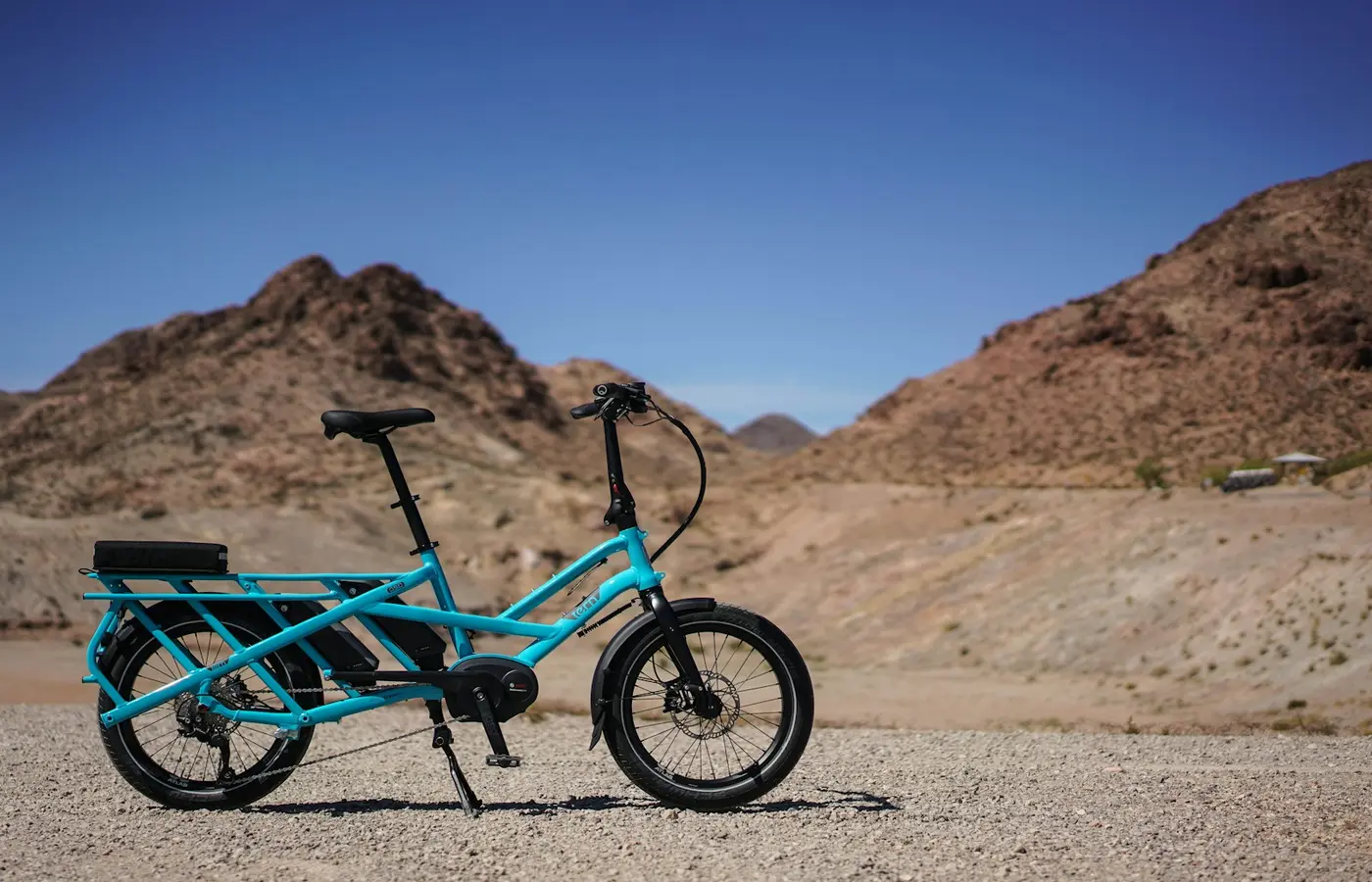
A longtail keeps cargo behind the rider on an extended rear frame and rack. A front-loader—often called a bakfiets or Long John—places cargo in a box, platform, or bay between the rider and the front wheel. That one difference affects supervision of children, turning space, parking, loading, and the feel of the bike at low speed.
Neither layout is automatically better. The practical choice depends on your routine load, passenger arrangement, home storage, local rules, route gradients, and the limits stated for the specific bike and accessories.
Start With the Load: Rear Platform vs. Front Cargo Area
A longtail cargo e-bike resembles a conventional bicycle with a substantially extended rear section. The rear rack may accept passenger cushions, child seats, footrests, panniers, side bags, crates, or purpose-built cargo accessories. This is the layout commonly chosen by riders who want a bicycle-like form while adding everyday carrying capacity.
A front-loader extends the bicycle forward instead. The cargo area sits ahead of the rider and behind the front wheel. It may be an open platform, a fixed box, or an enclosed cabin with seats and weather protection. The basic distinction is reflected in this manufacturer overview of longtail and front-loader layouts, although model-specific manuals and specifications should take priority over general comparison pages when assessing a purchase.
The first question is not simply, “How much weight can it carry?” It is:
- Is the load mostly people, bags, boxes, or unusually shaped items?
- Does it need to stay dry, contained, or visible while riding?
- Will you load it repeatedly at curbsides, shops, schools, or delivery stops?
- Is the load narrow and stackable, or wide and awkward?
- Must you communicate with or supervise passengers while moving?
A longtail often works well for modular, rear-mounted loads. School bags can go in panniers, groceries can sit in a crate or side bags, and compatible passenger accessories can convert the rear section between different tasks.
A front-loader can make more sense when the load benefits from a dedicated cargo volume. A box can contain loose groceries, parcels, or children’s belongings without relying on separate bags. An enclosed front cabin may also be useful where weather protection and passenger visibility matter.
However, cargo location alone does not establish capacity. Check the manufacturer’s stated maximum system weight, the rack or cargo-bay rating, individual accessory limits, and any restrictions in the owner’s manual. A high frame-level weight limit does not automatically mean every child seat, bench, basket, or rack can carry the same amount.
Handling and Stability: What Changes When the Bike Is Loaded?
Both formats require a different approach from an ordinary e-bike, especially during starts, stops, tight turns, and walking the bike. The important point is that layout influences handling, but does not determine it by itself.
Wheel size, wheelbase, steering geometry, handlebar position, tire construction, cargo height, total mass, brake setup, and rider experience all matter. A lightly loaded longtail can feel close to a standard bicycle in motion, while a heavily loaded example can require substantial care at low speed. Similarly, front-loaders vary widely: some use direct steering, while others use linkage systems connecting the handlebars to the front wheel.
| Riding situation | Longtail cargo e-bike | Front-loader cargo e-bike |
|---|---|---|
| Starting from a stop | Rear weight can be noticeable when mounting and pushing off, especially with passengers on the rack. | A loaded cargo box can add mass ahead of the rider; steering response at very low speed may require familiarisation. |
| Tight, slow turns | Extra rear length changes the path of the back wheel and increases turning space. | The longer wheelbase and front cargo section can require wider turns; steering feel depends strongly on the design. |
| Loading at the curb | Rear accessories may be convenient for bags and passengers approaching from either side. | A low cargo box can simplify loading bulky or loose items without lifting them onto a rear rack. |
| Monitoring cargo | Cargo and passengers are behind the rider. Mirrors and check-ins can help, but direct visibility is limited. | Children and loose cargo are generally ahead of the rider and easier to see while stopped or riding. |
| Riding empty | The extended rear frame remains part of the bike’s footprint. | The front box or platform remains in front, affecting overall length and sometimes width. |
Low-speed control deserves more attention than straight-line cruising. A rider can usually compensate for a longer frame once moving, but the bike is most vulnerable to imbalance when starting on an incline, stopping with passengers aboard, or attempting a very tight U-turn.
Load placement matters as much as total weight. Keep dense goods low and secure them so they cannot shift. Do not stack a front box so high that it interferes with visibility or handling, and do not place a rear load so far back that it exceeds the rack’s intended use. The owner’s manual is the relevant authority for securing cargo and distributing load on a particular model.
A test ride is useful, but an unloaded test ride has limits. If a dealer permits it safely, ask whether you can try the bike with approved ballast or a realistic accessory setup. The goal is not to prove that a layout is universally stable; it is to understand the exact bike’s behaviour under conditions close to your own use.
Carrying Children, Adults, and Bulky Cargo
Passenger accommodation and cargo capacity are related but separate questions. A bike may have a robust frame yet still require specific approved seats, harnesses, footrests, handholds, or side protection before carrying a child. It may also be unsuitable for adult passengers even if its rear rack appears long enough.
Children and family use
Longtails are often configured around rear passenger seating. Depending on the model and approved accessories, this may include one or more child seats, a bench, safety rails, footrests, or protective side panels. This configuration can be practical for school runs where the rear section also needs to convert back into cargo space later in the day.
Front-loaders are frequently designed around a front box that can hold child seating, harnesses, bags, and weather covers. The rider can generally see passengers more directly, which may be useful for younger children or frequent conversation. But the box’s seating arrangement, belt system, and permitted passenger use remain model-specific.
Do not assume either format is approved for a certain number of children. Verify all of the following:
- The bicycle’s maximum system weight, including rider, bike, battery, passengers, cargo, and accessories.
- The rear-rack rating or front-box payload rating.
- The rating and compatibility of every child seat, bench, harness, rail, footrest, and rain cover.
- The manufacturer’s age, size, and passenger-use instructions.
- Local requirements for child seating, helmets, e-bike classification, and passenger transport.
Rules vary by jurisdiction. A cargo-bike purchase decision should not rely on general online claims about what is legal for children or passengers in another country.
Groceries, parcels, and awkward goods
For ordinary shopping, either layout can work well. Longtails suit separated loads: panniers for heavier groceries, a rear crate for larger bags, and smaller items secured near the rider. Their modularity can be an advantage if most trips involve different combinations of bags, passengers, and equipment.
Front-loaders suit loads that are bulky, loose, or difficult to divide into panniers. A large grocery shop, a stack of parcels, a pet carrier, or an oddly shaped item may fit more naturally into a box than onto a rear rack. An enclosed box can also reduce the need for numerous smaller bags.
That said, a front box is not a licence to carry an unsecured pile. Loose objects can move during braking and turning. Use the tie-down points, cover, straps, or internal restraint system specified for the bike, and avoid placing sharp, heavy, or unstable items where they could endanger passengers.
Storage, Parking, and Everyday Maneuverability
Storage constraints often decide the longtail vs front loader cargo bike question before carrying capacity does. A bike that fits the family routine but cannot get through the gate, elevator, corridor, or secure parking room is not a practical replacement for a conventional e-bike.
Longtails are generally defined by added length at the rear. This can make them easier to fit through narrow passages than a wide front box, but the total length may still exceed a typical bicycle rack or home storage space.
Front-loaders may be long as well as wide. A box can make them difficult to position in narrow hallways, busy bicycle parking areas, or tight apartment storage rooms. Open-platform designs and enclosed-box designs also have different width and weather-protection trade-offs.
Before buying, measure the real route rather than relying on memory:
- Measure the narrowest door, gate, hallway, lift entrance, and storage-room turn.
- Check the available storage length and whether the bike must be stood upright, rolled around a corner, or lifted over a threshold.
- Measure the allocated bicycle parking bay, if one exists.
- Confirm whether the bike can be locked securely by the frame in its intended parking position.
- Consider how far it must be pushed while loaded—from the street to a garage, basement, or charging point.
- Check whether your intended car rack, train service, building policy, or local bicycle parking facility accepts the bike’s dimensions and weight.
Published dimensions are useful, but compare the complete specification: length, width, height, wheelbase, turning needs, and any removable box or accessory dimensions. Do not assume two cargo bikes with similar overall length will require the same storage space.
Motor, Battery, and Braking Requirements for Loaded Riding
Cargo-bike layout does not determine hill-climbing ability, range, or stopping performance. Those outcomes depend on the specific motor system, gearing, battery capacity, rider input, terrain, load, weather, tire pressure, and maintenance condition.
When comparing models, assess the complete loaded-riding package rather than focusing on one advertised motor number.
What to compare in the specification sheet
- Maximum system weight: The total permitted weight of bike, rider, passengers, cargo, battery, and accessories.
- Separate cargo ratings: Rear racks, front boxes, passenger benches, child seats, and trailers may each have their own limits.
- Motor system and local compliance: Check how output is stated in your market and whether the bike’s assistance system fits the applicable e-bike category.
- Battery energy: Watt-hours indicate stored energy, but not a guaranteed range. A loaded bike on hills can use substantially more energy than a lightly loaded bike on flat roads.
- Gearing: Low gears can matter for pulling away with weight and climbing at controlled speed.
- Brakes: Compare the specified brake system, rotor sizes where published, and the manufacturer’s maintenance guidance.
- Tires and wheels: Confirm that tire and wheel specifications are appropriate for the bike’s stated load limits, and maintain pressures within the tire manufacturer’s permitted range.
Braking deserves particular attention because total moving mass rises quickly with passengers and cargo. Follow the manual’s bedding-in, inspection, and replacement instructions. If your routine includes steep descents, repeated stop-start riding, or wet conditions, ask a qualified dealer how the exact model is intended to be maintained under loaded use.
Do not treat a larger battery as a substitute for planning. A realistic route assessment should include gradients, trip distance, charging access, cold-weather use, frequency of starts and stops, and whether the bike will carry its heaviest load on the return journey.
A Practical Choice Framework: Match the Format to Your Daily Routes
A longtail is often the stronger starting point when you want rear-seat passenger options, modular bags and accessories, and a cargo bike that retains a relatively conventional bicycle layout. It may be especially practical where storage width is limited but extra bike length is manageable.
A front-loader is often the stronger starting point when you regularly carry bulky, loose, enclosed, or highly visible loads. It can be particularly useful for families who value a dedicated child cabin or for work tasks that benefit from a large front cargo area.
Use this final checklist before deciding:
- Heaviest routine load: What will the bike carry on an ordinary difficult day, not an occasional ideal day?
- Passenger configuration: Which approved seats, harnesses, benches, and footrests are needed now and later?
- Load shape: Is the challenge weight, volume, width, weather protection, or the need to keep goods contained?
- Parking reality: Can the fully assembled bike pass through every doorway and fit securely at home and destinations?
- Route conditions: Are there steep hills, poor surfaces, narrow cycle paths, frequent bollards, or constrained turns?
- Service access: Is there local support for brakes, drivetrain parts, electronics, and approved cargo accessories?
- Test ride quality: Can you ride the exact configuration, or at least one with a comparable wheelbase, cargo area, and steering design?
The best cargo-bike layout is the one whose approved carrying system, physical dimensions, and loaded handling match the trips you actually make. Start with the load and the storage space, then verify the individual bike’s published limits before comparing motor, battery, and accessory options.