 China eBike
E-Bike Payload Capacity Explained: Rider, Cargo and Rack Limits
Learn how to compare e-bike payload capacity, maximum system weight and rack limits before carrying riders, cargo or accessories.
Before comparing motor power, battery size or cargo accessories, establish what an e-bike can legally and mechanically carry in its intended configuration. A bike that appears to have a large rear rack may still be unsuitable for a rider, child seat and weekly shopping if the total loaded weight exceeds the manufacturer’s system limit.
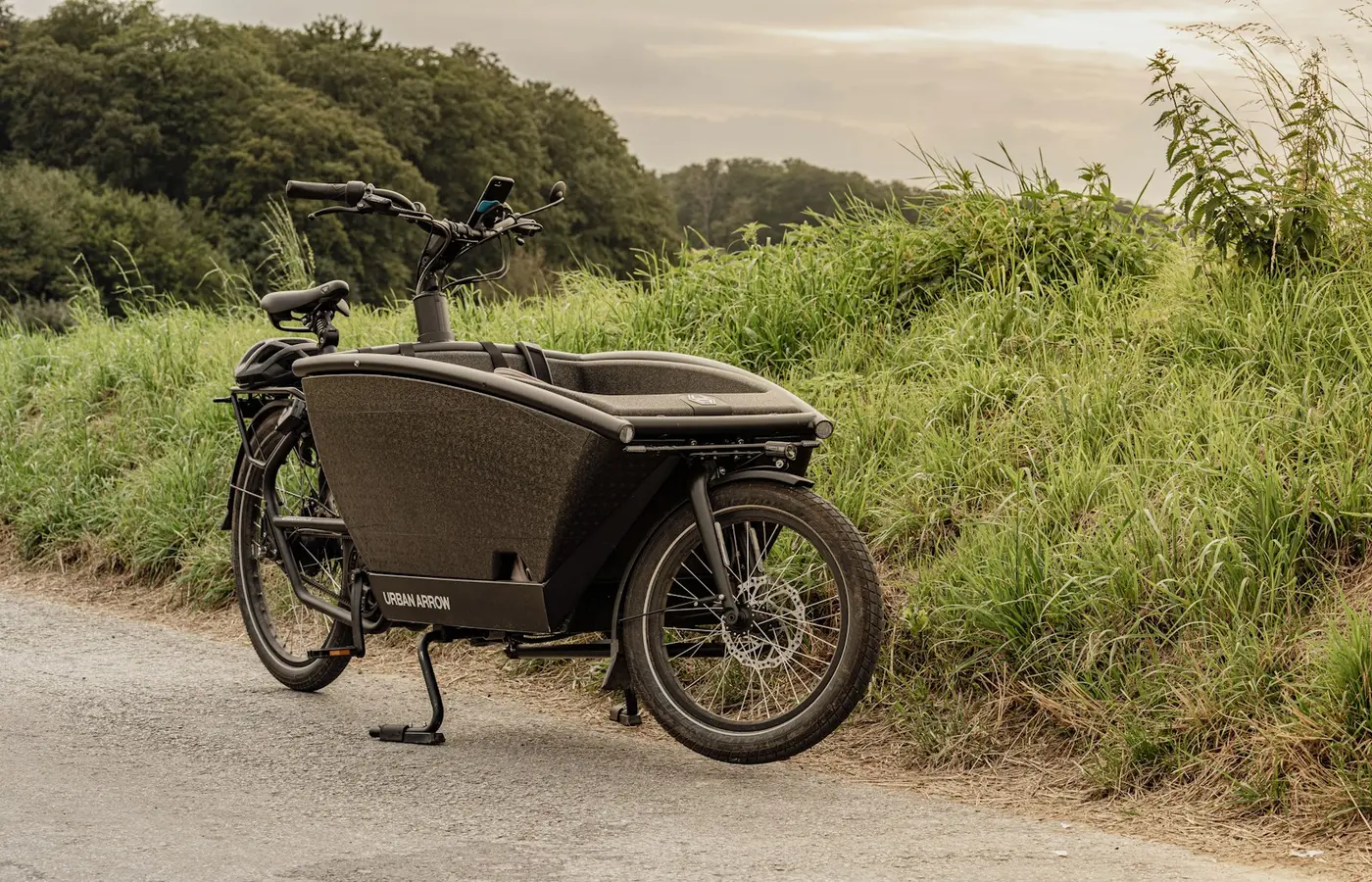
The key point is simple: an e-bike load plan must remain within the bike’s overall weight limit and the limits of every rack, carrier, seat, trailer and accessory involved. A high rear-rack rating does not raise the permitted total vehicle weight.
Start With the Load You Actually Need to Carry
“Payload” is often used loosely in e-bike marketing. For a buyer, it should mean a practical question: after accounting for the bike itself, how much rider, passenger, cargo and equipment weight can the manufacturer’s limits support?
Start by writing down a realistic loaded scenario rather than an idealised one. That may include:
- The rider in normal riding clothing
- A passenger, if passenger transport is approved
- A child seat, passenger pad, foot supports or protective accessories
- Panniers, baskets, front carriers and installed racks
- Locks carried on the bike
- Groceries, tools, work equipment or other routine cargo
- Battery and permanently fitted equipment, if not already included in the published bike weight
- A trailer and its contents, where the manufacturer says they count toward the limit
The exact definition of a weight limit varies by manufacturer. Tern, for example, uses Max Gross Vehicle Weight (MGVW) for the combined mass of the bicycle, accessories, rider or riders, cargo and, under specified conditions, trailer-related weight.1 Its guidance treats passengers as riders for the calculation.2
That is useful as a clear manufacturer example, but it should not be treated as a universal industry definition. Always use the terminology and inclusions stated in the owner manual or technical documentation for the precise bike, model year and market being considered.
A rider who plans only to carry a small bag may have a wide range of suitable e-bikes. A household that expects to transport a child, a second rider or recurring heavy cargo needs complete documentation before treating an e-bike as a practical transport tool.
Maximum System Weight, Payload and Rack Limit Are Different Numbers
Several specifications may appear on a product page, in a manual or on an accessory label. They are related, but they are not interchangeable.
| Specification | What it usually describes | What it does not tell you on its own |
|---|---|---|
| Maximum system weight / maximum gross weight / MGVW | Maximum permitted combined weight of the bike and the items included by the manufacturer’s definition | How much can be placed on one rack or carrier |
| Payload capacity | Weight available for rider, passengers, cargo and possibly accessories; sometimes stated directly | Whether individual carrying components can support that load |
| Rear-rack limit | Maximum load placed on the rear rack | The permitted total loaded weight of the bicycle |
| Accessory limit | Capacity of a basket, front carrier, child-seat mount, trailer or similar component | Compatibility with all bikes or other accessories |
Maximum system weight
A maximum system weight is the broadest figure. Tern defines MGVW as the maximum weight a bike has been designed to carry, including the bicycle, accessories, rider or riders, cargo and applicable trailer weight.1
Benno’s supplied eJoy booklet provides another useful example of separate specifications: it lists a maximum gross weight of 180 kg (400 lb) for rider, cargo and bike, while listing a rear-rack maximum load of 40 kg (85 lb).3
The total system limit matters because the frame, fork, wheels, tires, brakes and other parts are part of the loaded vehicle. A rack may be capable of supporting a substantial load while the complete bike has a lower remaining capacity after the rider, battery, accessories and cargo are counted.
Payload capacity
Some manufacturers state payload directly. Others state only a maximum system weight. In the latter case, a buyer may estimate the available carrying capacity only when the manufacturer clearly defines both the system limit and the bike weight being used in the calculation.
For example, if a manufacturer states a maximum system weight and also identifies the ready-to-ride weight of the bicycle, the difference can represent the remaining capacity for the loads included in that manufacturer’s definition. But do not subtract a headline bike weight without checking its scope. Published weight may or may not include the battery, pedals, rack, fenders, accessories or market-specific equipment.
Rack and carrier limits
A rear-rack rating applies only to the load carried by that rack. It does not override the total vehicle limit, and it does not automatically authorise passenger transport.
The same approach applies to front carriers, baskets, child-seat fittings and trailers. Each component may have its own weight limit, installation rules and approved-bike list. A basket may fit physically but still be unsuitable if the manufacturer does not approve it for that rack, frame or mounting system.
How to Calculate Your Available E-Bike Payload
Use a two-stage process: first check the whole vehicle, then check every load location separately.
Step 1: Calculate the available carrying capacity
Where the manufacturer provides compatible figures, use this formula:
Available carrying capacity = stated maximum system weight − ready-to-ride bike weight
Use the manufacturer’s own definition of “bike weight.” In particular, confirm whether the quoted weight includes:
- Battery or batteries
- Fitted racks, fenders and lights
- Pedals
- Factory-installed accessories
- Model-specific equipment such as a suspension fork or larger battery
Then add the planned load:
Planned load = rider + passenger(s) + installed accessories + carried equipment + cargo + any trailer-related weight required by the manufacturer
For a Tern-style MGVW calculation, the bicycle, accessories, rider or riders, cargo and relevant trailer weight are included.1 Tern’s HSD guidance specifically identifies riders as including both the cyclist and any passengers.2
If planned load is greater than the available carrying capacity, the bike does not fit that use case. Reducing the cargo placed on the rack alone may not solve the issue if the total remains above the system limit.
Step 2: Check every carrying component independently
Next, divide the cargo by where it will sit and compare each part with its relevant rating.
For example:
- Rear rack: rack load must not exceed its published limit.
- Front carrier or basket: check its own limit and approved mounting arrangement.
- Child seat or passenger system: confirm the bicycle, rack and seat manufacturer all permit that installation.
- Panniers: confirm bag compatibility and any stated weight limit.
- Trailer: check the trailer maker’s limit and the bicycle maker’s towing guidance.
This stage is essential because a total calculation can appear acceptable while one rack is overloaded. Conversely, a bike may have a 40 kg rear-rack rating but have much less than 40 kg of total carrying capacity remaining after the bike and rider are included.
A simple illustrative calculation
Assume a manufacturer states:
- Maximum system weight: 180 kg
- Ready-to-ride bike weight: 30 kg
- Rear-rack rating: 40 kg
The available carrying capacity would be:
180 kg − 30 kg = 150 kg
If the rider weighs 85 kg, a child seat and fitted accessory equipment weigh 8 kg, and cargo weighs 25 kg, the planned carrying load is:
85 kg + 8 kg + 25 kg = 118 kg
That leaves 32 kg below the stated system limit. If all 25 kg of cargo is placed on the rear rack, the rack check also passes because 25 kg is below its 40 kg rating.
This is only an arithmetic example, not a recommendation for a particular model or passenger setup. The child seat, its mounting arrangement and passenger use would still need explicit approval from the relevant manufacturers.
Where to Find the Limits Before You Buy
A headline product page may list one carrying number without explaining the full load system. For a heavy-load purchase, look for information in several places:
- The current manufacturer product page for the exact model and market.
- The technical specification sheet, where bike weight, rack rating and approved accessories may be separated.
- The owner manual, especially its safety, loading and towing sections.
- Accessory manuals, including child seats, passenger kits, racks and trailers.
- Written confirmation from the manufacturer or seller if a specification is missing or unclear.
The Benno eJoy booklet illustrates why this matters: maximum gross weight and rear-rack capacity can appear as separate specifications rather than a single “payload” number.3
Cargo-bike manufacturers may also publish calculation guidance beyond the headline capacity. Tern’s cargo guidance explains the composition of its MGVW and, in its Quick Haul passenger guidance, separately identifies a 150 kg MGVW and a 50 kg rear-rack rating.4
When comparing products, ensure the documents apply to the exact configuration being sold. A different generation, battery option, rack, wheel size or regional specification may change the stated weight or accessory compatibility.
If a brand does not state the bike weight, maximum system weight, rack limit, passenger approval or accessory limits, there may not be enough information to make a responsible heavy-load decision. Ask for a written answer rather than assuming the largest advertised figure applies to every use.
Why a Strong Rear Rack Is Not Enough
A rear rack is only one part of the loaded e-bike. It can be tempting to treat a rack’s rating as the bike’s cargo capacity, particularly when the rating is prominent in marketing material. That interpretation is incomplete.
Tern’s Quick Haul guidance is a useful illustration: the bike is stated to have a 150 kg MGVW, while its Atlas Q rear rack is rated for 50 kg.4 Both limits apply at the same time. The rack must remain at or below 50 kg, while the full bicycle-plus-load total must remain below 150 kg under Tern’s stated calculation method.
Likewise, Benno’s cited eJoy documentation pairs an 85 lb/40 kg rack limit with a 400 lb/180 kg maximum gross weight.3 Neither number replaces the other.
There are further constraints that arithmetic alone cannot resolve:
- A child seat may require a specific rack, adapter or frame interface.
- A passenger needs approved seating and appropriate foot support where required by the manufacturer.
- A rear rack may be rated for cargo but not approved for carrying a person.
- A front carrier can affect steering and load placement, so its own instructions matter.
- A trailer may be excluded, included or treated differently depending on whether it has its own braking system under a manufacturer’s rules.2
Load distribution also matters in practical use. Concentrating a heavy load high above the rear axle may feel different from placing the same total weight lower and closer to the centre of the bike. However, no universal handling, braking or speed conclusion should be drawn from a weight rating alone. Follow the manufacturer’s installation, tire-pressure, maintenance and operating instructions, and do not use a stated capacity as a substitute for them.
A Pre-Purchase Load-Check Framework
Before buying an e-bike for cargo or passenger duties, use this checklist:
- Confirm the exact model and configuration. Record the model year, battery option, factory rack and intended accessories.
- Record the total system-weight limit. Note the manufacturer’s exact term and what it includes.
- Record the ready-to-ride bike weight. Verify whether battery and fitted equipment are included.
- Calculate the remaining carrying capacity. Subtract the specified bike weight from the stated system limit only when the figures are comparable.
- Add the complete planned load. Include rider, passenger, accessories, locks and routine cargo—not only the heaviest item.
- Check each carrier separately. Rear rack, front carrier, basket, child-seat interface and trailer all need independent confirmation.
- Confirm passenger compatibility. A rack rating alone is not approval for a child or adult passenger.
- Keep usable margin. Leave room for ordinary shopping, seasonal clothing, added locks and future accessories rather than planning continuously at the stated maximum.
The practical takeaway is that e-bike payload capacity is a system calculation, not a single number on a rack label. A suitable bike is one whose documented total-weight limit, component ratings and approved accessories all accommodate the intended rider-and-cargo plan. For recurring heavy cargo or passenger use, complete and current manufacturer documentation is more valuable than a broad carrying claim.
Frequently asked questions
What is the difference between e-bike payload capacity and maximum system weight?
Maximum system weight is usually the permitted combined weight of the bike and the loads included in the manufacturer’s definition. Payload capacity is the weight left for riders, passengers, cargo and relevant accessories after the bike’s own weight is accounted for. Manufacturers do not always define these terms identically, so check the manual for the exact model.
Does a rear rack’s weight rating include the rider?
Normally, no. A rear-rack rating describes the load placed on that rack. The rider is generally counted against the overall system-weight limit instead. Tern’s MGVW guidance, for example, includes the bicycle, accessories, rider or riders and cargo in the total calculation.1
How do I calculate how much cargo my e-bike can carry?
Start with the manufacturer’s maximum system weight and subtract the manufacturer-defined ready-to-ride bike weight. Then subtract rider weight, passenger weight and installed accessories. Finally, check that the cargo assigned to each rack, basket or trailer remains within that component’s individual rating.
Can I carry a passenger if my rear rack has enough weight capacity?
Not necessarily. A rack rating does not by itself approve passenger transport. Confirm that the bicycle and rack are approved for passenger use, and verify compatibility with the required seat, passenger pad, foot support or child-seat system. Local legal requirements may also apply.