 China eBike
How to Check E-Bike Battery Health as Capacity Declines
Learn how to assess e-bike battery health, separate normal range changes from faults, and know when dealer diagnostics are needed.
A shorter ride between charges does not automatically mean an e-bike battery is failing. Range changes with temperature, terrain, rider input, assist level, tire condition and electrical loads. A battery can also show 100% on the display while holding materially less energy than it did when new.
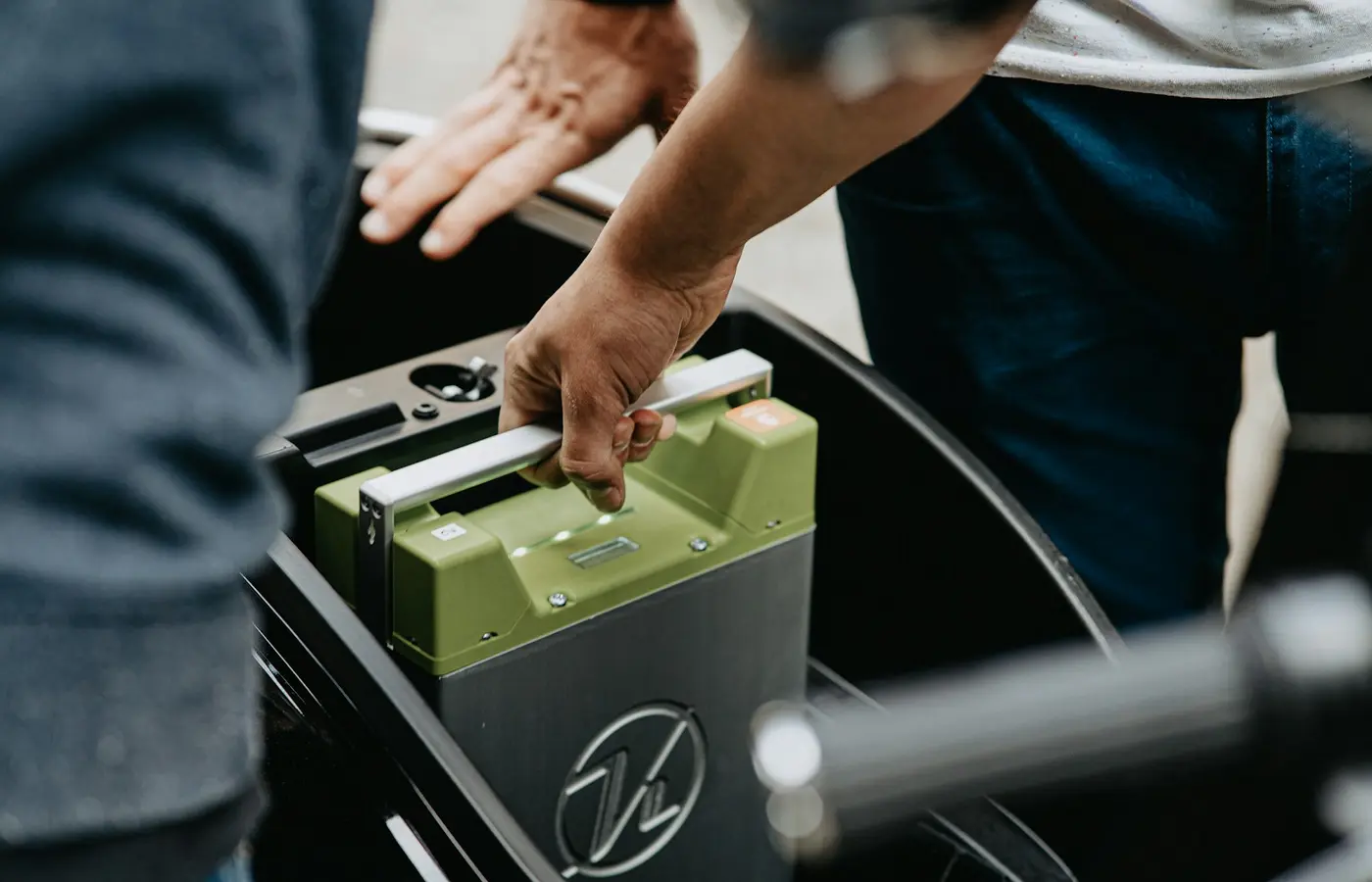
The practical goal is not to diagnose sealed lithium-ion cells at home. It is to build a reliable picture of whether the bike’s usable energy and range have changed under comparable conditions, rule out common non-battery causes, and identify symptoms that need dealer attention. Physical damage, unusual heat or other abnormal behavior are safety issues, not DIY test projects.
Start With the Right Terms: Charge Level, Capacity and Battery Health
Battery discussions are clearer when three different measurements are kept separate.
State of charge (SOC) is the current charge level. It is the percentage or bar graph shown on most e-bike displays. A reading of 100% means the system considers the battery fully charged; it does not confirm that the battery still stores its original amount of energy.
Capacity is how much electrical energy a battery can store or deliver. It may be expressed in:
- Amp-hours (Ah): a charge quantity. This is useful for describing a battery, but it does not alone indicate total energy because voltage also matters.
- Watt-hours (Wh): energy capacity. As Bosch explains in its battery guide, watt-hours are the working energy figure most directly relevant to potential range.1
For example, a 500 Wh battery was designed to provide less than 500 Wh of motor assistance in normal use because the system may retain energy for protective reserves and for components such as the display or wired lighting. Specialized calls this the designed or usable capacity, and notes that temperature, current draw, cell variation and protection limits can affect it.2
State of health (SOH) describes the battery’s condition relative to its expected original capacity and performance. It is not the same as SOC. A battery can be fully charged today, yet have lower SOH because it has lost capacity through age and use.
That distinction is central to checking e-bike battery health. A charge display is useful for managing a ride. It is not, by itself, a verified health report.
Lithium-ion batteries are consumable components. Bosch describes both calendar aging, caused by time and chemical reactions even while unused, and cycle aging from charging and discharging. High temperatures and storage at very low or very high charge levels can accelerate aging.1 The rate and practical effect vary with the cell chemistry, pack design, charging system, riding pattern, climate and battery-management settings. There is no single remaining-capacity percentage or age at which every e-bike battery should be replaced.
Check Whether Reduced Range Is Actually a Battery-Aging Problem
Before treating a range decline as capacity loss, compare like with like. A trip that once felt routine may now include colder weather, stronger wind, more cargo, higher assistance or lower tire pressure. Each can reduce the distance covered per charge without indicating a damaged battery.
Start with these checks:
- Compare similar rides. Use the same or a closely similar route, assist mode, rider and cargo load where possible. Record distance rather than relying on memory of a single outing.
- Note ambient temperature. Cold cells can provide less available energy and may reach protective voltage limits sooner under load. This effect can be temporary; it should not automatically be counted as permanent capacity loss.
- Check tire pressure and rolling resistance. Soft tires increase energy demand. Also check for a brake rubbing, a dragging hub, or a tire contacting a mudguard or frame.
- Inspect the drivetrain. A dry, dirty or worn chain and cassette can waste rider and motor energy. Pedal with the motor off, if the bike permits, to notice unusual resistance or noise.
- Compare assist settings and riding style. Frequent high-power acceleration, steep climbing and low cadence can demand more current than steady riding in a lower mode.
- Account for wind, elevation and surfaces. Headwinds, repeated climbs, loose surfaces and stop-start urban riding all change energy use substantially.
- Consider other electrical consumers. Lights, displays and other connected equipment can draw from the battery. Their effect varies by system, but they are among the factors that can reduce energy available for motor support.2
A large change that appears only on cold days, on one hilly route or in a high-assist mode points to a different investigation than a gradual, repeatable decline across comparable rides.
Also consider charging. Use the charger specified by the e-bike or battery manufacturer and confirm that the charger, connector and charge port are clean, dry and undamaged. A charging problem, connector issue or system fault may prevent a battery from reaching the charge level expected by the bike, even if the display behavior is not immediately obvious. Do not attempt to bypass connectors, modify a charger or substitute an unknown charger to test this theory.
Use a Repeatable At-Home Range and Energy Check
A controlled range check is the most practical home method for tracking change over time. It is an observational trend check, not a laboratory capacity measurement. It cannot determine cell balance, internal resistance, precise SOH or the cause of a decline.
Use a simple log and repeat the process under reasonably similar conditions.
1. Inspect before charging
Remove the battery only if the manufacturer permits it and the battery is cool and dry. Look for cracks, dents, deformation, discoloration, corrosion, damaged terminals or a loose fit in its mount. If anything looks abnormal, stop here and seek professional advice rather than charging or riding it.
2. Charge with the specified equipment
Charge the battery according to the owner’s manual using the intended charger. Record the date, the display’s charge indication, and any unusual behavior such as a charge cycle stopping unexpectedly or a charger indicator showing an error.
A display reading of 100% is a useful starting point for repeatable rides, but it is not proof that the battery has its original watt-hour capacity.
3. Choose a repeatable route and setup
Use a route with broadly similar elevation, surface and traffic conditions. Keep the same assist mode as far as practical. Record:
- starting SOC shown by the bike;
- distance traveled;
- average or typical assist setting;
- outdoor temperature;
- rider and cargo changes;
- route conditions, including major wind or climbing differences;
- lights or other electrical accessories in use;
- ending SOC and any warning messages.
Avoid deliberately running a battery to shutdown solely to obtain a number. The battery-management system is designed to protect the pack, and usable energy can end before every cell is fully depleted because of voltage, temperature and safety limits.2
4. Watch behavior near low charge
Note whether the display declines steadily or behaves erratically, whether motor support is reduced earlier than usual, and whether the bike shuts down under a familiar load such as a moderate climb. These observations can be useful for a dealer, but they are not a self-diagnosis. A voltage-protection response, temperature effect, poor connection, firmware issue or other electrical fault can resemble battery aging.
5. Repeat instead of relying on one ride
One unusually short trip is weak evidence. A log of several comparable rides over weeks or months is much more useful. The trend matters: a gradual decline under similar conditions is consistent with normal aging, while a sudden or highly inconsistent change needs broader troubleshooting.
If the bike reports watts, watt-hours consumed or estimated range, record those values as supplementary information. They can help compare rides on the same system, but their calculation methods are manufacturer-specific. Treat them as indicators, not independent verification of pack capacity.
What the Battery Management System and Display Can—and Cannot—Tell You
A battery management system, commonly called a BMS, monitors and protects a lithium-ion pack. Bosch describes the BMS as an intelligent system that continuously monitors the battery, while manufacturers also use battery electronics to manage charging, temperatures and protective operating limits.1
For riders, this means the system may reduce or stop motor support before a pack reaches an electrically unsafe condition. That is normal protective behavior, not necessarily evidence that the pack is empty or defective.
The display and BMS can provide useful clues:
- a repeatable reduction in range under comparable conditions;
- a charge gauge that drops unusually quickly or changes abruptly;
- support cutting out under load;
- an inability to charge normally;
- persistent system error messages;
- a battery that is not recognized consistently by the bike.
But none of these symptoms identifies a single cause. For instance, abrupt percentage changes may involve charge-estimation behavior, low-temperature voltage sag, connection issues or a battery problem. A shutdown under load can result from protective voltage limits, high current demand, temperature, electronics or an aging pack. Specialized specifically notes that cell temperature and current draw influence under-voltage protection and the energy available for motor support.2
Do not open a sealed pack, probe its terminals, attempt to measure individual cell groups or perform an improvised load test. These actions can create shock, short-circuit and fire risks, may damage the pack, and can complicate warranty or service handling. A BMS is protective equipment, not a reason to treat the battery as safe to disassemble.
When a Dealer Capacity Test Is Worth It
Professional diagnostics are most useful when a rider has a meaningful decision to make: whether to repair a bike, replace a battery, negotiate the price of a used e-bike or investigate behavior that does not fit normal aging.
Arrange an authorized dealer or qualified service assessment when you see:
- a large, repeatable range decline on comparable rides;
- inconsistent charge-gauge behavior that continues across different conditions;
- unexpected loss of assistance or shutdowns;
- charging that stops, fails or produces recurring errors;
- a battery that is intermittently recognized by the bike;
- uncertainty about a used e-bike’s battery condition;
- damage, water exposure or an impact involving the battery area.
Compatible dealer tools may be able to read battery data such as SOH or remaining capacity, depending on the brand, model and service ecosystem. E-Bike Vision states that some dealers can read battery information and determine SOH or remaining capacity.3 That should not be generalized to every e-bike: diagnostic access, data fields and interpretation are manufacturer- and model-dependent.
Ask the dealer what their result represents. Is it a BMS-reported health estimate, an observed charge/discharge assessment, a fault-code review or a combination? Ask whether the test conditions and system firmware could affect the reading. A useful service report should be interpreted alongside the rider’s range log, operating temperature and any error history.
Stop Using the Battery for Physical or Thermal Warning Signs
Capacity loss is normally a performance and maintenance question. Physical or thermal abnormalities are a safety question.
Stop riding and charging the battery if you observe swelling or bulging, cracks, casing deformation, fluid leakage, damaged or deformed terminals, corrosion associated with water ingress, discoloration, unusual heat, odors, noises, smoke or flames. Yamaha’s lithium-ion battery safety manual lists these as warning signs of battery damage and advises that a battery should not exhibit such abnormalities.4
Do not try to flatten a swollen case, dry out a leaking battery, repair terminals, open the enclosure or continue a charge cycle to see whether the issue clears. Follow the battery manufacturer’s emergency and service instructions. If smoke, flames or an active battery failure occurs, prioritize getting people away from the area and contact local emergency services as appropriate.
For routine storage, follow the manufacturer’s instructions first. General safety guidance from Battery Network includes avoiding extreme temperatures and, where feasible for long-term storage, keeping a battery at a reduced state of charge in a suitable location.5 Storage guidance is not universal, so the battery maker’s specified charge level, temperature range and storage procedure should take priority.
A Practical Decision Framework for an Aging E-Bike Battery
Use the following path rather than judging health from a single percentage reading.
Monitor and log when range has declined gradually, the change is repeatable under comparable conditions, and there are no error messages or physical warning signs. Normal calendar and cycle aging is expected over a battery’s life.1
Check setup and conditions first when the decline is inconsistent or linked to cold weather, route changes, tire pressure, drivetrain drag, high assist use, cargo, wind or lighting loads.
Book professional diagnostics when range has fallen substantially without a clear operating explanation, the gauge behaves erratically, charging is unreliable, support cuts out unexpectedly or a used-bike purchase depends on battery condition.
Stop using the battery immediately when there is swelling, damage, leakage, unusual heat, odor, noise, smoke, discoloration or deformation. Do not treat those signs as ordinary aging.
The most useful battery-health record is simple: comparable route, distance, temperature, assist setting, starting and ending charge readings, and any unusual behavior. That record gives a rider or dealer far more to work with than a display reading alone.
Frequently Asked Questions
Can an e-bike battery show 100% charge but still have poor health?
Yes. A 100% reading indicates state of charge, meaning the battery is considered full at that moment. It does not establish how many watt-hours the battery can still store and deliver. State of health describes retained condition or capacity relative to the battery’s intended baseline.
How can I test e-bike battery capacity at home?
The safest practical method is a repeatable range and energy-use log: charge with the specified charger, ride a comparable route in the same assist mode, and record distance, temperature, load and battery behavior. This tracks trends but is not a definitive capacity test. Avoid opening, probing or load-testing a sealed lithium-ion battery pack.
Why does my e-bike battery lose range in cold weather?
Cold temperature can reduce the energy the cells can deliver and can cause protective voltage limits to be reached sooner, especially under high current demand. The effect may improve when the battery returns to its recommended operating temperature. A cold-weather range reduction is not, on its own, proof of permanent degradation.
When should I replace or have an e-bike battery professionally tested?
Seek professional testing when the range decline is large and repeatable, charging or gauge behavior is inconsistent, the bike shuts down unexpectedly, errors recur, or you are assessing a used e-bike. Stop using the battery rather than waiting for a test if it shows physical damage, swelling, leaks, unusual heat, odors, smoke or other abnormalities.