 China eBike
E-Bike Belt Drive vs. Chain: Maintenance, Efficiency, and Gear Compatibility
Compare e-bike belt drives and chains for maintenance, cleanliness, gearing, efficiency, repair access, and frame compatibility.
The e-bike belt drive vs. chain decision is rarely about the belt or chain alone. It affects the bike’s gearing system, frame construction, maintenance routine, repair options, and suitability for the routes you ride.
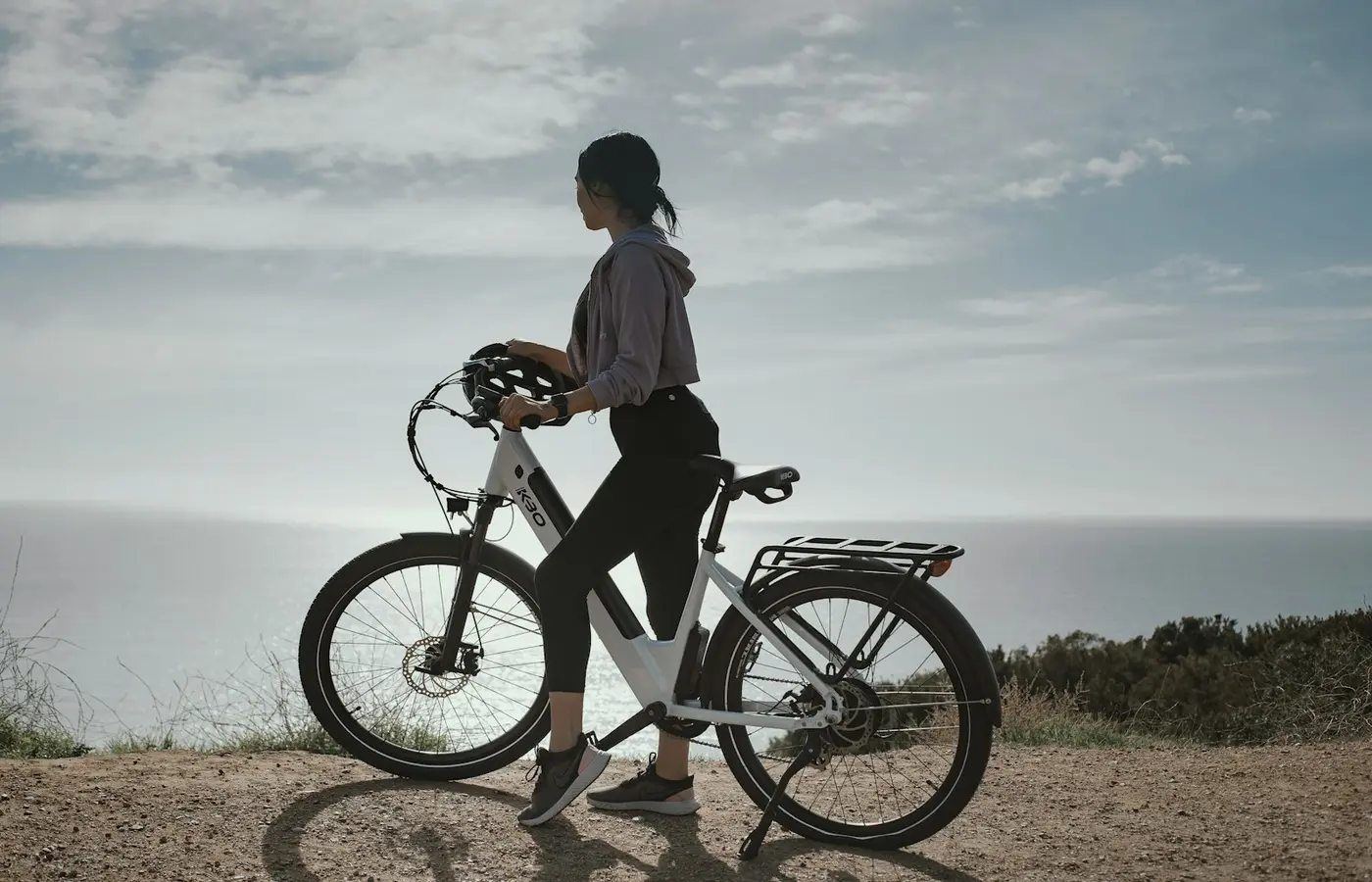
For a commuter who wants a clean drivetrain and limited routine upkeep, a belt drive can be a sensible fit. For riders who need a wide gear range, use derailleur gearing, travel far from specialist service, or want straightforward roadside parts replacement, a conventional chain remains the more flexible option.
The practical question is therefore: which compromises are acceptable for your riding, terrain, and local service access?
Choose by Riding and Service Priorities
A chain drivetrain is the familiar bicycle arrangement: a metal chain transfers pedal and, on many e-bikes, motor power from a front chainring to rear sprockets. Most chain-driven bikes use a derailleur to move the chain across a cassette, creating multiple gear ratios. This format supports broad gearing ranges and uses parts that are widely understood by bicycle workshops.1
A belt drivetrain replaces the metal chain with a toothed belt and dedicated front and rear pulleys. The belt does not need chain lubricant, which keeps it cleaner in daily use. Belt systems are commonly paired with single-speed drivetrains, internally geared hubs, gearboxes, or multi-speed bottom-bracket transmissions rather than conventional derailleurs.2
That distinction matters more than the material of the drive itself. A belt-equipped e-bike with an internally geared hub may be excellent for flat-to-rolling urban routes and regular commuting. But it may offer a different gear range, shifting behaviour, wheel-removal procedure, and service network from a chain e-bike with a derailleur.
How Belt and Chain Drivetrains Work
Chain drivetrains
On a typical chain-drive e-bike, the chain wraps around a front chainring and rear sprocket. With derailleur gearing, the rear derailleur guides the chain from one sprocket to another on the cassette. This is why chain systems can provide many closely spaced ratios and substantial overall range.
A derailleur needs the chain to move for a shift to occur. In practical terms, riders generally shift down before stopping rather than waiting until they are stationary. This is familiar to most cyclists, but it can require planning in stop-start traffic or on steep urban climbs.
Belt drivetrains
A bicycle belt has teeth that mesh with matching pulley teeth. It runs in a straight line between the front and rear pulley; it cannot move sideways across a cassette in the way a chain can. This is the central reason a conventional derailleur is not normally compatible with a belt drive.2
To provide multiple gears, belt-drive e-bikes usually place the gearing elsewhere: inside the rear hub, inside a gearbox, or in a dedicated transmission at the bottom-bracket area. These systems can offer useful commuter-focused gearing, but their specifications vary substantially by manufacturer and model.
A belt also cannot normally be split open like a standard bicycle chain. As Kalkhoff explains, fitting or removing one requires a belt-compatible frame with an opening or removable section in the rear triangle.3 This construction requirement is one of the biggest ownership differences between belt and chain bikes.
Maintenance, Cleanliness, and Wear in Daily E-Bike Use
For many commuters, maintenance is the strongest argument for a belt drive.
A chain needs periodic cleaning and lubrication to keep shifting and power transfer working properly. Dirt mixed with lubricant can form an abrasive paste, and neglected chains can become noisy or corroded. Canyon notes that regular cleaning and lubrication are part of normal chain-drivetrain care.1
A belt has no external chain lubricant. It is therefore less likely to mark clothing, collect oily grime, or require a conventional degreasing routine. It is not maintenance-free, however. Mud, snow, stones, leaves, or other debris can interfere with operation, so belts and pulleys still need visual inspection and occasional cleaning when dirty.4
Routine checks for a belt-drive e-bike should include:
- debris lodged around the belt or pulley teeth;
- visible damage, fraying, cracking, or missing belt teeth;
- pulley wear or damage;
- belt tracking and alignment;
- tension set according to the belt-system and bicycle manufacturer’s instructions.
Chain systems require their own inspection routine:
- lubrication appropriate to wet or dry riding conditions;
- cleaning after gritty or wet rides;
- checking chain wear and shifting quality;
- examining chainring, cassette, and derailleur condition;
- ensuring the derailleur and hanger remain correctly aligned.
Motor assistance can increase the forces passing through an e-bike drivetrain, particularly when the motor contributes through the crank area. But the effect on wear depends on motor position, torque delivery, rider input, gearing, load, riding conditions, and maintenance. It is not reliable to assign a universal service interval or lifespan to either belts or chains.
Efficiency, Noise, and Riding Feel: What Can Be Compared Reliably
It is tempting to ask which drivetrain is more efficient, but a simple universal answer is not well supported.
Drivetrain efficiency is influenced by component condition, alignment, belt tension or chain lubrication, gear selection, rider and cargo load, weather, and the design of the complete transmission. A clean, correctly lubricated chain can perform very differently from a dry, contaminated, or worn one. Likewise, an incorrectly tensioned or misaligned belt should not be treated as representative of a correctly set-up belt system.
For most buyers, the more noticeable difference is often the ownership experience rather than a measurable efficiency figure. Belt systems are commonly associated with a smooth and quiet ride, especially compared with a chain that is dirty, dry, or poorly adjusted.4 A well-maintained chain drivetrain can also be quiet and smooth, however.
The same caution applies to claims about durability. Belt-drive manufacturers and bicycle brands often highlight long wear life, but real-world replacement timing depends on conditions and setup. Do not rely on a generic mileage promise when choosing between systems. Check the bike brand’s service information and the specific belt or chain component manufacturer’s instructions.
Gearing Compatibility and Terrain Trade-Offs
The drivetrain decision strongly shapes the gearing options available on an e-bike.
| Requirement | Chain with derailleur | Belt with internal or enclosed gearing |
|---|---|---|
| Broad gear range | Common and often straightforward to obtain | Depends on the hub, gearbox, or transmission selected |
| Closely spaced ratios | Often available with multi-sprocket cassettes | Varies; some systems have larger steps between gears |
| Cleanliness | Requires lubricant and cleaning | No chain lubricant on the external drive |
| Routine care | Chain cleaning, lubrication, and adjustment | Inspection, cleaning debris, and checking belt setup |
| Roadside replacement | Usually easier due to common chain parts and tools | Depends on access to the correct belt, pulleys, and frame design |
| Derailleur compatibility | Standard arrangement | Generally not compatible with conventional derailleurs |
A chain-and-derailleur system is often the practical choice for riders who need a large gear range for steep hills, variable terrain, heavy loads, or fast riding beyond city streets. It also gives manufacturers flexibility in selecting cassette sizes and derailleur configurations.
A belt system can work well for regular commuting, especially when matched with an internal gear hub or gearbox designed for the expected terrain. The enclosed gearing arrangement can reduce exposure of shifting components to road spray and dirt. However, buyers should compare the actual gear range and ratios of the specific system rather than assuming every belt e-bike is suitable for steep hills or cargo use.
Some internal gear systems can be shifted while stopped, which can be useful at traffic lights. That is a feature of the particular hub or gearbox, not an automatic feature of all belt-drive bikes. Confirm it in the manufacturer documentation for the model under consideration.
Replacement, Repairs, and Frame Compatibility
A chain is generally easier to replace because it can be opened with an appropriate connecting link or chain tool. Replacement chains, cassettes, chainrings, and derailleur parts are widely available in many markets, although exact compatibility still matters.
Belt replacement is more dependent on the original bicycle design. Because the belt is continuous, the frame must have a purpose-designed split, removable dropout, or other opening that allows the belt to pass through the rear triangle. A standard chain-drive frame does not usually have this feature.
For that reason, converting an existing chain-drive e-bike to a belt drive is usually impractical. It would require more than replacing the chain and sprockets: the frame would need a belt entry point, the rear drivetrain would need compatible pulley and gearing arrangements, and the frame geometry would need a way to set correct belt tension. Kalkhoff specifically notes that a conventional chain-drive bicycle cannot simply be converted to belt drive.3
Before buying a belt-drive e-bike, ask a local dealer or the bike brand these questions:
- Which belt model and pulley sizes does this bike use?
- Is the belt stocked locally, or must it be ordered?
- Does the workshop service the installed hub gear, gearbox, or transmission?
- How is rear-wheel removal handled for puncture repairs?
- What frame opening or dropout procedure is required for belt replacement?
- Which manufacturer instructions govern belt tension and alignment?
These details matter especially for import buyers. A low-maintenance system is less convenient if compatible replacement parts and trained service are difficult to obtain in the intended market.
A Practical Belt Drive vs. Chain Decision Framework
Choose a belt-drive e-bike when the priority is a clean, low-routine-maintenance commuter drivetrain and the bike’s internal gearing or transmission provides enough range for the intended routes. It is particularly worth considering for frequent urban riding, storage in apartments or offices, and riders who prefer to avoid chain lubrication.
Choose a chain-drive e-bike when wide derailleur gearing, simple parts replacement, familiar workshop support, and flexibility across varied terrain matter more. It remains the practical default for many hillier routes, mixed-surface riding, and buyers who may need service far from a specialist dealer.
Before deciding, compare the complete bike rather than the drive material alone:
- Confirm the gear range and ratio steps for your hills and loads.
- Check whether the motor, gearing, and drivetrain are designed as a compatible system.
- Review the manufacturer’s maintenance instructions.
- Verify local availability of belts, chains, cassettes, pulleys, and transmission service.
- For belt bikes, inspect the frame design and understand the belt replacement procedure.
- Consider how often you ride in mud, rain, snow, or abrasive road grit.
A belt drive can reduce routine mess and maintenance, while a chain drivetrain offers broader design freedom and easier replacement in many markets. Neither is automatically better; the right choice is the one that matches the bike’s gearing, frame, routes, and service support to the way it will actually be used.
Footnotes
-
Canyon, Belt drive vs chain drive bikes. ↩ ↩2
-
ebiketips, The pros and cons of belt drive e-bikes. ↩ ↩2
-
Kalkhoff, Chain drive on bicycles and e-bikes. ↩ ↩2
-
Electric Bike Reviews, Belt or Chain: What’s the Best for You?. ↩ ↩2