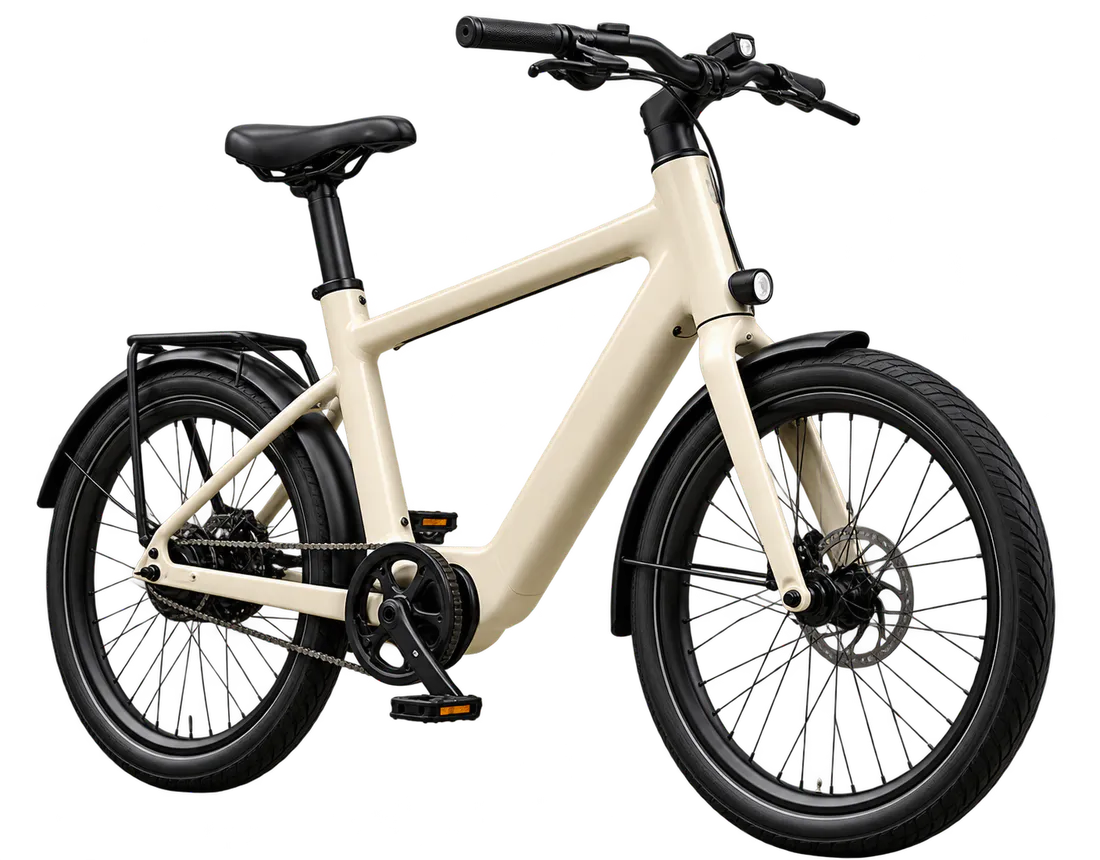
 China eBike
E-Bike Torque Sensors vs. Cadence Sensors: Ride Feel, Efficiency, and Choosing Between Them
Understand torque vs cadence sensor e-bikes, how each responds to pedalling, and which system may suit your terrain, effort, and riding style.
The torque vs cadence sensor decision is really a decision about how an e-bike should interpret your pedalling. Some riders want the motor to respond closely to how hard they press on the pedals. Others prefer the bike to provide steady assistance once they begin turning the cranks, even if they are not pushing hard.
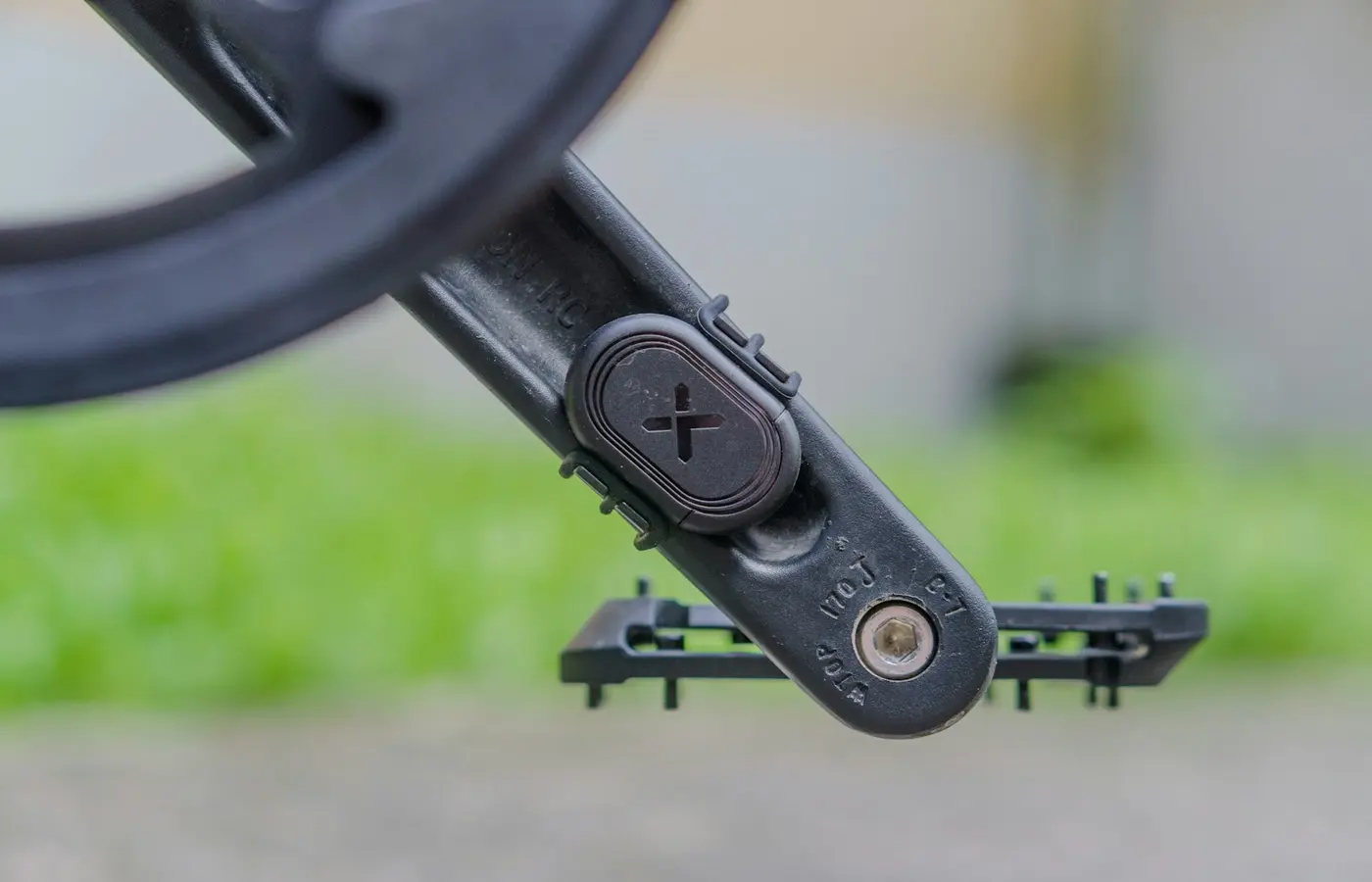
Neither approach is automatically better. A sensor is one component in a wider system that includes the controller, motor, battery, gearing, assist settings, wheel size, bike weight, and software calibration. Still, sensor type gives a useful early indication of how a pedal-assist e-bike may behave.
Before comparing the two, it helps to define pedal assist. A pedal-assist e-bike uses an electric motor to add power while the rider is pedalling. The sensor provides information about that pedalling to the controller, which then determines how and when to command motor assistance. A pedelec is generally defined by this pedal-dependent assistance principle, although the legal definition and permitted operating limits vary by jurisdiction.1
Torque vs. cadence sensor: the practical choice
A cadence sensor detects whether, and often how quickly, the pedals are rotating. When it detects rotation, the controller can activate assistance according to the selected assist mode and its programmed logic.
A torque sensor measures pedalling force somewhere in the drivetrain. The controller can use that force signal to vary motor assistance in relation to the rider’s effort.
The practical distinction is simple:
- Choose a torque-oriented system if you want changes in pedal pressure to play a central role in motor response.
- Consider a cadence-oriented system if you prefer assistance to arrive primarily because the pedals are turning, potentially with less force needed at the pedals.
That distinction should not be mistaken for a complete assessment of ride quality. A well-calibrated cadence system can feel controlled and predictable, while a poorly tuned torque system can still feel abrupt, weak, or inconsistent. The selected assist level matters as well: a low setting may limit motor support regardless of sensor type, while a high setting can make either system feel more forceful.
How cadence sensors detect pedalling and deliver assistance
Cadence sensing is commonly based on pedal or crank rotation. Many designs use a rotating magnet disc and a stationary sensor near the bottom-bracket area. As the cranks turn, the sensor detects movement and reports it to the controller.
Vvolt describes cadence sensing as detecting pedal rotation or pedalling cadence, then activating the motor according to the rider’s movement and selected power settings.2 That describes the essential function, but it does not mean all cadence-equipped e-bikes behave the same way.
A controller may use one or more of the following inputs:
- whether the cranks are moving;
- the rate at which they are turning;
- the selected assistance mode;
- wheel speed;
- motor temperature or battery-management limits; and
- programmed limits for starting, stopping, and maximum assistance.
This is why a cadence sensor should not be described as simply an on/off switch. Some systems provide relatively fixed support once rotation begins. Others vary support with pedal speed, speed sensor data, or assist mode. Manufacturers can also tune how quickly assistance begins after a crank starts moving and how rapidly it reduces when pedalling stops.
What cadence sensing can feel like in use
In ordinary riding, a cadence-sensor e-bike may provide a more consistent motor contribution once the rider gets the pedals moving. For riders managing fatigue, limited leg strength, a temporary injury, or frequent stop-start journeys, this can be appealing: the bike may not require a substantial push on the pedals before assistance arrives.
The trade-off is that there can be a noticeable separation between turning the pedals and pressing harder on them. If the controller is programmed to provide substantial support at low cadence, the bike may accelerate more strongly than the rider expected when starting away. Conversely, a system with conservative start-up tuning may feel delayed. Neither behaviour can be inferred reliably from the word “cadence” alone.
For a specific bike, the owner manual and manufacturer support material are more useful than a generic sensor label. Look for information about start-up behaviour, assist modes, cut-off behaviour, and any requirement to rotate the pedals before assistance engages.
How torque sensors measure effort and modulate assistance
A torque sensor measures force applied through part of the drivetrain. Depending on the design, sensing can occur at the bottom bracket, crank area, rear dropout, hub, or another drivetrain location. The exact placement and construction should be verified for the individual motor system rather than assumed from the bike’s marketing description.
Technical research on electric-assisted bicycles describes torque measurement as a way to estimate rider pedalling input and control motor torque under varying external loads.3 In practical terms, the sensor tells the system more than whether the cranks are moving: it gives the controller information about how hard the rider is pedalling.
The controller then decides what to do with that information. It may apply a programmed assistance ratio, cap output based on the selected mode, limit support near a system speed limit, or reduce output to protect electrical components. Torque sensing therefore does not mean that the motor exactly duplicates rider force, nor does it guarantee a particular power level.
What torque sensing can feel like in use
When the rider presses harder on the pedals, a torque-based system will commonly increase assistance; easing pedal pressure can reduce it. This can make changes in effort feel more directly connected to changes in motor support.
Cycling Electric characterises torque sensors as measuring force through the crank or bottom-bracket area and notes that many riders associate this approach with a more seamless response. It also correctly treats that as a broad generalisation rather than a universal rule.4
On a gentle climb, for example, a rider may naturally press harder to maintain speed. A torque-oriented system can respond to that increased input without the rider necessarily changing assist mode. At low speeds or in tight traffic, some riders also value the ability to regulate support through pedal pressure.
However, this style of control may ask more of the rider. If the rider applies only light force, the system may provide correspondingly modest assistance unless a high assist mode or a different control strategy is selected. That is not necessarily a disadvantage; it depends on whether the rider wants active pedalling to remain central to the ride.
Ride feel: proportional assistance versus rotation-triggered support
The simplest comparison is proportional assistance versus rotation-triggered support. Torque systems are often designed to scale assistance with pedalling force. Cadence systems are often designed to activate support when rotation is detected. In practice, the boundary is less absolute because controllers can blend several sensor inputs and apply complex tuning.
The following table identifies the tendencies a buyer may notice, not fixed rules for every e-bike.
| Riding situation | Cadence-sensor tendency | Torque-sensor tendency | What also matters |
|---|---|---|---|
| Starting from rest | Assistance begins after pedal movement is detected | Assistance can build with pedal force | Start-up tuning, gearing, motor output |
| Pressing harder on a climb | May not change support directly unless programming uses cadence or mode changes | Often increases support in response to increased force | Assist mode, controller limits, motor temperature |
| Light pedalling | Can still provide meaningful support once rotating | May provide less support if force remains low | Minimum assistance programming |
| Stop-and-go traffic | Can offer predictable support after each pedal restart | Can offer fine modulation through pressure | Sensor response, brake cut-off, rider technique |
| Coasting then pedalling | Response depends on rotation detection and controller timing | Response depends on force detection and controller timing | Sensor resolution and software calibration |
Independent reviewers sometimes make stronger claims about the difference. ElectricBikes.com, for example, presents torque sensing as more closely matched to rider force and criticises certain cadence systems for abrupt power delivery.5 That is useful third-party commentary on possible ride characteristics, but it should not be treated as proof that all products using one sensor type will behave identically.
Motor placement also changes the experience. A mid-drive motor can use the bike’s gears, which affects climbing behaviour and cadence management. A hub motor delivers power through the wheel and may have a different response under load. Either layout can be paired with different sensor strategies, so motor location and sensor type should be assessed separately.
Efficiency, range, and rider effort: what the sensor can and cannot determine
It is tempting to say that torque sensors are inherently more efficient because they encourage the rider to contribute more. That conclusion is too broad.
A torque-based system may reduce motor demand when the rider eases off and increase it when the rider pushes harder. In some circumstances, that can encourage a riding style in which the rider supplies a larger share of total propulsion. But a rider can also select high assistance and use substantial battery power on a torque-sensor e-bike. Likewise, a rider on a cadence-sensor bike can pedal strongly and use a low assist setting.
Research into pedelec assistance has examined how assistive torque, slope, gear ratio, and rider responses interact, illustrating that support level and riding conditions affect both physical demand and perceived effort.6 That is a more useful way to approach range than searching for a sensor-only answer.
Real-world energy use depends on many variables:
- selected assistance level;
- rider power contribution;
- route gradient and surface;
- speed and wind resistance;
- bike, rider, and cargo mass;
- tire pressure and tire construction;
- gear selection, particularly on mid-drives;
- battery condition and ambient temperature; and
- controller and motor calibration.
A manufacturer range claim should always be read alongside its test conditions. Without those conditions, a stated range is not directly comparable with another bike’s claim. Sensor type may influence how riders use assistance, but it is not a reliable standalone predictor of battery range.
Which approach suits different riding needs?
Commuting and mixed urban riding
For commuters who want motor response to follow changing pedal effort through junctions, rolling roads, and traffic gaps, torque sensing may be attractive. It can support a more active riding style without frequent changes to assist settings.
Cadence sensing may suit commuters who want steady assistance after they begin pedalling, especially on flatter routes or when arriving without significant exertion is more important than closely modulated feedback.
Hills and variable terrain
A torque sensor can make it easier to use pedal pressure as an input when gradients change. But it does not establish hill-climbing capability. For hills, inspect motor output specifications where available, gear range, motor placement, bike mass, thermal management, battery voltage behaviour under load, and local power rules.
A cadence-sensor bike with suitable gearing and sufficient motor support may be entirely capable on hills. The key question is how the complete system starts under load, sustains assistance, and responds when cadence drops.
Cargo, child carrying, and heavier loads
Cargo suitability should never be inferred from sensor type. Check the manufacturer’s stated maximum system weight, rack rating, frame design, brakes, tire load ratings, and the legal requirements that apply where the bike will be used.
A cadence sensor may appeal to riders who want dependable support with lighter pedal pressure when moving a load from rest. A torque sensor may appeal to riders who want closer control over assistance as load and gradient change. Both require appropriate motor, gearing, braking, and load capacity.
Recovery, mobility needs, and casual riding
Riders seeking low-effort transport may prefer the steady support that a well-tuned cadence system can provide after pedal movement begins. This can be particularly relevant where maintaining a strong pedal force is difficult or undesirable.
Riders who still want the sensation of contributing directly to acceleration and climbing may prefer torque sensing. As with any mobility-related choice, a test ride and professional advice where appropriate are more valuable than generalised claims about one sensor type.
A practical checklist for choosing an e-bike sensor system
Treat the sensor as part of the complete e-bike, not as a shortcut to a buying decision. During a test ride, or when reviewing a model remotely, check the following:
- Low-speed engagement: How much pedal movement or pedal pressure is needed before assistance begins?
- Stop-start response: Does the bike feel controllable when moving away at junctions, with a load, or on a mild incline?
- Assist-level behaviour: Does each mode change motor support in a useful and predictable way?
- Pedalling stop and brake response: How promptly does assistance reduce when pedalling stops or brakes are applied?
- Climbing behaviour: On a familiar incline, can the system maintain a comfortable pace without awkward surges or excessive strain?
- Gearing: Does the gear range match local gradients and the bike’s intended load?
- Motor system and service support: Are manuals, replacement parts, diagnostics, and local service options available?
- Legal operation: Does the bike’s configuration comply with the local rules for power-assisted cycles, throttles, speed limits, and road access?
The decision framework is straightforward: choose torque sensing when you value assistance that generally follows pedal force, and consider cadence sensing when you want support that is primarily triggered by pedal rotation. Then verify the actual bike’s controller tuning, gearing, motor system, load rating, and legal configuration. Those details determine whether the sensor approach works well for the way you ride.
Frequently asked questions
Is a torque sensor always better than a cadence sensor on an e-bike?
No. Torque sensing and cadence sensing measure different rider inputs, but neither label guarantees better control, comfort, range, or hill performance. A rider who wants assistance to scale with pedalling force may prefer torque sensing. A rider seeking consistent support with less pedal force may prefer cadence sensing. Controller tuning and the rest of the e-bike system remain important.
Does a torque sensor give an e-bike more range?
Not automatically. A torque sensor may encourage more rider contribution in some riding situations, but energy use depends on assist level, speed, terrain, load, wind, tire setup, gearing, and motor-controller calibration. Compare published range claims only when their test conditions are available and comparable.
Why can a cadence-sensor e-bike feel delayed when starting to pedal?
The system needs to detect pedal rotation and the controller needs to decide when to apply power. The amount of pedal movement required, the sensor design, and controller programming all affect perceived delay. Other cadence systems are tuned for rapid engagement, so the behaviour is model-specific.
Can controller tuning make a cadence-sensor e-bike feel smoother?
Yes. The controller can influence how assistance ramps in, how it changes between assist levels, and how it reduces when pedalling stops. Sensor type matters, but it does not determine ride feel by itself.
Footnotes
-
E-Bike Motor Drive: A Review of Configurations and Capabilities ↩
-
Vvolt: What’s the difference between torque sensing and cadence sensing bikes? ↩
-
Torque Measurement and Control for Electric-Assisted Bike Considering Different External Load Conditions ↩
-
Cycling Electric: E-bike tech explained: Torque sensor or cadence sensor? ↩
-
ElectricBikes.com: Motor and power delivery — How We Test E-Bikes ↩
-
Integrated Physiological, Biomechanical, and Subjective Responses for the Selection of Assistive Level in Pedelec Cycling ↩