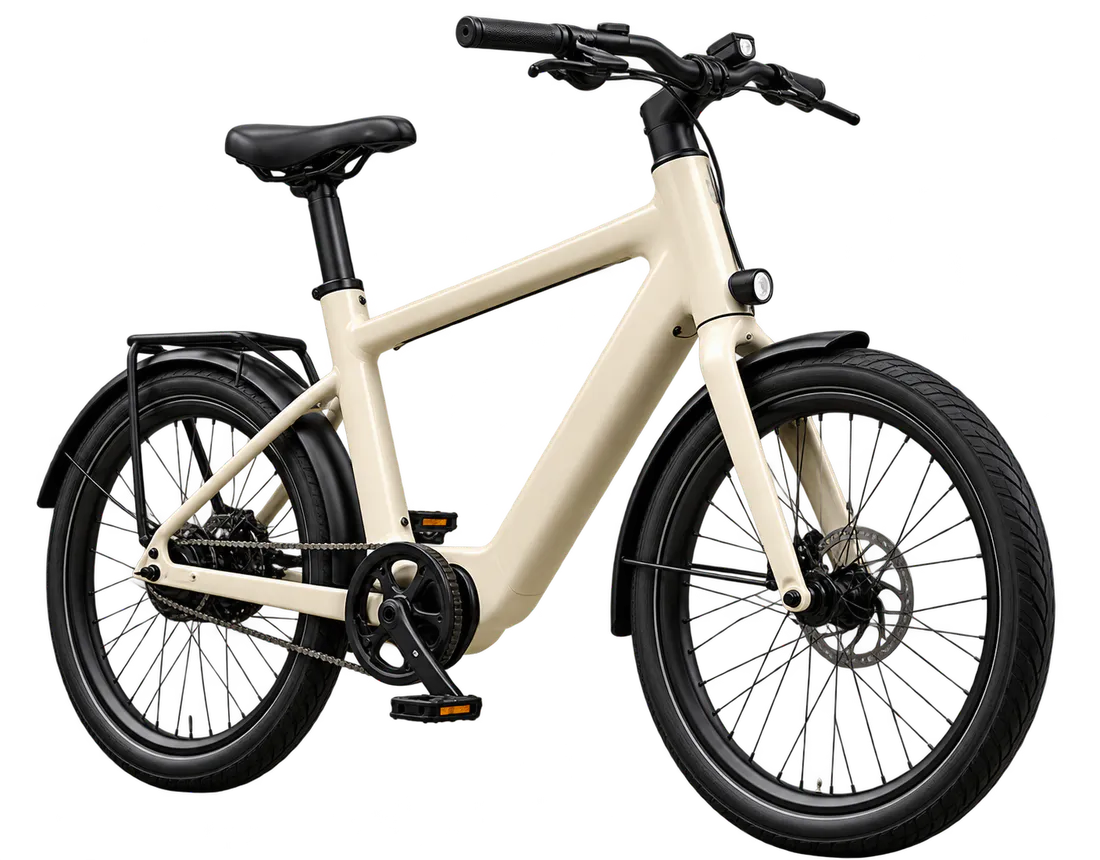
 China eBike
DJI Avinox MGU Compatibility: What to Check Before Choosing an E-Bike
Check frame integration, battery charging, controls, legal setup and service support before choosing an Avinox MGU-equipped e-bike.
An Avinox MGU-equipped e-bike may look suitable on a specification sheet, but the drive unit alone cannot tell a buyer whether the complete bicycle will work for their riding, charging routine or local support options.
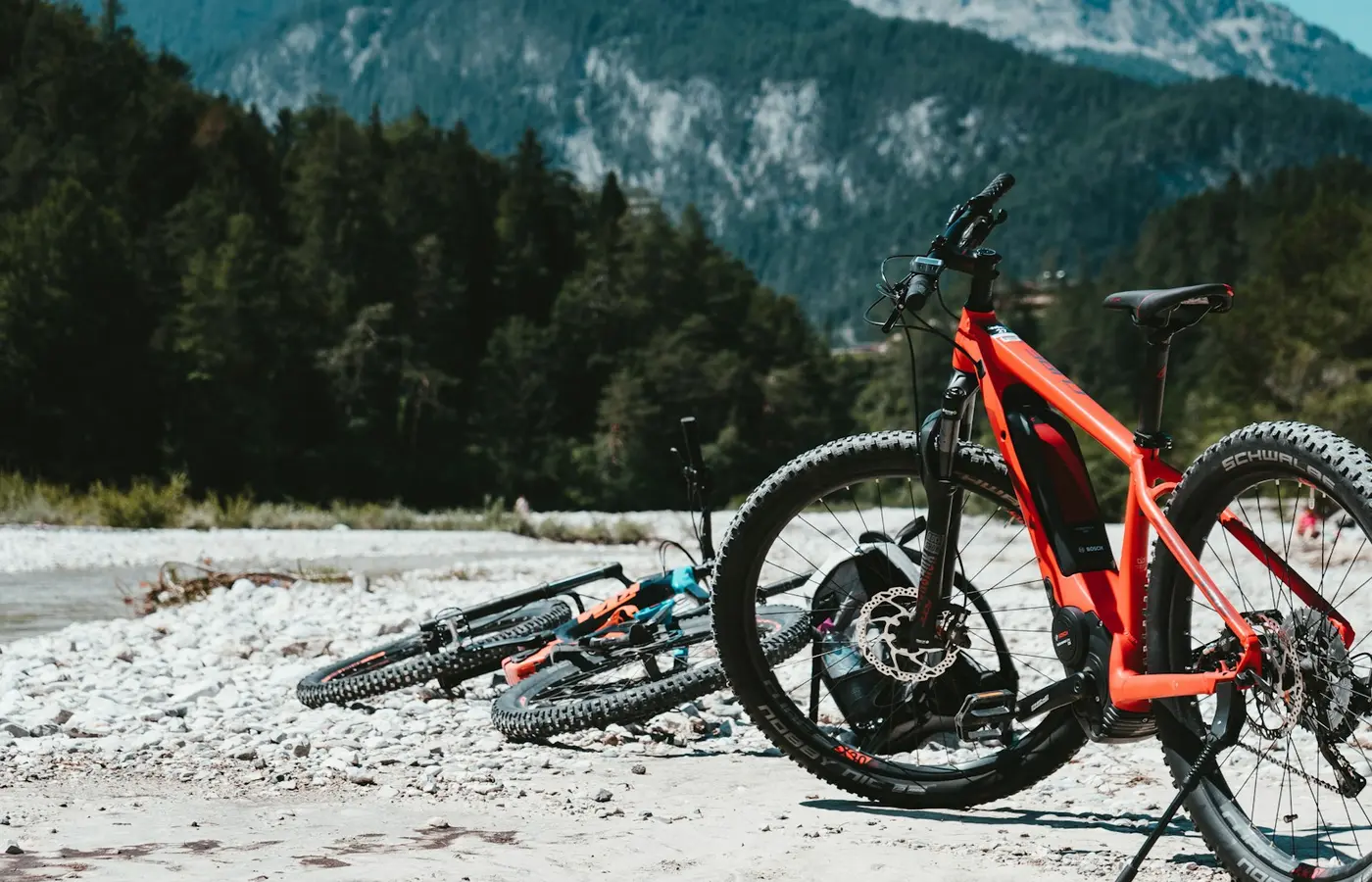
For buyers, Avinox MGU compatibility is mainly a whole-bike question. The important checks are the exact bike model and model year, the manufacturer’s frame and battery integration, the supplied controls, the market-specific legal configuration, and the ability to obtain service and replacement parts where the bike will be used.
This matters particularly when buying from an importer, comparing newly launched models, or considering a bike from a brand with a limited local dealer network. A compatible motor mounting does not automatically mean compatible batteries, displays, chargers, software features or service procedures.
Start With the Bike Model, Not the Motor Name
An MGU is the drive assembly integrated into the bicycle frame. In practical buying terms, it is one part of an e-bike system that can also include a battery, charger, display, wireless controller, speed sensor, wiring harness and mobile-app functions.
That does not make every Avinox-equipped e-bike equivalent.
A bicycle manufacturer decides how the drive system is fitted into the frame and how the finished bike is configured. It also chooses the frame geometry, suspension design, wheels, brakes, drivetrain, tyres, cockpit, cargo limits and intended riding use. These decisions have more influence on day-to-day suitability than the motor badge alone.
For example, two bikes using the same basic drive platform may be aimed at very different riders:
- A long-travel mountain bike may prioritise descending control, ground clearance and robust components.
- A trail-oriented model may use a different suspension layout, wheel format and riding position.
- A trekking or SUV-style e-bike may place more emphasis on racks, lights, mudguards and practical carrying capacity.
- A lightweight or urban-oriented design may make different compromises around battery size, mounting points and service access.
Before assessing electronics, obtain the official specification for the precise model, model year and sales market. Check the published geometry, wheel size, suspension travel where relevant, rider and total-weight limits, intended-use statement, and included components.
Do not rely on a product image or a retailer listing alone when a detail affects the purchase. Images can show pre-production bikes, optional accessories or another regional version. A written specification from the brand or authorised distributor is more useful.
The current Avinox documentation describes a platform made up of a drive unit, battery, control display, wireless controller and speed sensor, among other system elements.1 That is useful context, but it is not a substitute for the bike maker’s own equipment list. The supplied manual is dated 2026, so buyers considering an earlier bike should confirm that its manual and fitted hardware match the version being sold.
Check Whether the Frame and Battery Integration Suit Your Riding
Battery configuration is one of the most important compatibility checks because it affects where and how the bike can be charged, transported and stored.
Fixed and removable batteries solve different problems
A battery may be integrated inside the down tube and removable through a purpose-designed opening, or it may be more permanently enclosed within the frame. Some designs make removal straightforward; others require tools, a particular sequence or partial disassembly. The difference can be decisive for apartment dwellers and riders without a power outlet near bicycle parking.
Ask the seller these specific questions:
- Is the battery user-removable?
- If it is removable, what tools or key are required?
- Can it be removed with the bike on the ground, or does the frame need to be supported or turned?
- Is charging supported both in the bike and out of the bike?
- Where is the charge port, and can it be reached when the bike is parked normally?
- What battery capacity and charger are supplied with this exact model?
- Is a replacement battery available in the buyer’s market, and who is permitted to install it?
A larger battery can reduce charging frequency and provide more headroom for longer rides, but it can also increase weight, cost and the effort required to carry the battery indoors. A fixed battery can contribute to a clean frame design, but may be impractical if the complete bike cannot be brought close to a charging point.
Avoid assuming that all Avinox bikes use identical batteries. The available research indicates that bike brands may make different battery-integration decisions, including brand-specific solutions. However, any claimed capacity, removal method or compatibility should be verified in the official documentation for the individual bike rather than inferred from another Avinox-equipped model.2
Consider the complete charging routine
The most useful question is not simply, “How large is the battery?” It is, “Can I safely and realistically charge this bike every week?”
A buyer should establish:
- where the bike will be stored;
- whether charging will happen in the frame or indoors with a removed battery;
- whether the charger’s cable length suits the parking location;
- whether the charging port is exposed to rain, dirt or awkward cable routing during normal use;
- whether the battery can be removed without interfering with racks, bottles, suspension linkage or other accessories; and
- whether the manufacturer provides storage and charging instructions suitable for the local climate and home environment.
Use the battery and charging instructions supplied for the exact system version. Do not substitute a charger or battery merely because its connector appears similar. Compatibility of high-voltage battery components should be confirmed by the bicycle brand or authorised service channel.
Controls, Display and App Features: Confirm the Exact Configuration
The word “Avinox” can create an expectation that every bike has the same display, controller and app features. That is not a safe assumption.
The system documentation describes a control display and wireless controller, as well as connectivity-related functions such as ride-data syncing, navigation and bike-protection features.1 Yet whether these functions are available on a particular bike can depend on the display variant, included hardware, software version, mobile app, account setup, mobile-network coverage and country availability.
Ask for confirmation of the following items before ordering:
| Check | Why it matters |
|---|---|
| Display fitted to the bike | Screen size, mounting position and available controls may differ between models. |
| Controller arrangement | Confirm whether wireless controllers are included and how they are powered, paired and replaced. |
| Navigation support | A system may support route transfer in principle, but the sold bike may require a particular display or app workflow. |
| Connectivity hardware | Some features may depend on a SIM-enabled display or another connectivity component. |
| App and account requirements | Confirm whether an account, phone pairing or data connection is needed for the features you expect to use. |
| Security functions | Understand whether locking, alerts or remote functions are available in the buyer’s country and what happens without network coverage. |
| Firmware responsibility | Determine whether updates are installed by the owner, dealer or importer. |
If navigation, remote security or phone-based unlocking is central to the purchase, request written confirmation that the relevant function is enabled for the exact model and country. A feature shown in an international manual may not be activated in every market.
This is also a reason not to treat a newer Avinox manual as proof of capabilities on an earlier MGU-equipped bike. Software and hardware platforms can evolve. Buyers should match the bicycle’s serial-number documentation, delivery specification and regional support information to the bike actually being purchased.
Match the System Setup to Local E-Bike Rules
A drive system’s technical capability does not determine the legal status of the finished bicycle by itself. Legal classification depends on the version supplied in a particular market and on the laws where the bike will be used.
Check the bike manufacturer’s market-specific specification for its declared assistance limit and intended market. Then check the relevant transport authority or primary legislation in the country, state or region where the bike will be ridden.
The practical questions include:
- At what speed does assistance stop in the delivered configuration?
- Is the bike classified as a conventional electrically assisted bicycle, a speed pedelec, a moped or another vehicle category locally?
- Are registration, insurance, a helmet or a driving licence required?
- Are cycle paths, mountain-bike trails and public roads subject to different rules?
- Will importing the bike from another market change its legal status or warranty coverage?
Do not assume a setting mentioned in a system menu can legally be changed by the owner. Changes to speed-related configuration may affect road legality, insurance, warranty and access to cycling infrastructure. The correct source is the applicable local authority, alongside the bike brand’s official market documentation.
This distinction is especially important for direct imports. A bike that is legitimately sold in one market may not meet the technical or administrative requirements of another. The importer should be able to provide the exact regional model information, not just a generic motor specification.
Service Support Is a Compatibility Check, Not an Afterthought
A well-integrated e-bike is only compatible with a buyer’s real needs if it can be maintained and repaired locally.
Before paying a deposit, identify the business responsible for each of these areas:
- warranty assessment and claims;
- diagnostic fault finding;
- firmware updates;
- replacement batteries and chargers;
- display and controller replacement;
- cable, sensor and drivetrain-related repairs;
- crash-related frame inspection or replacement; and
- access to model-specific spare parts after the sale.
A general bicycle workshop may be able to handle tyres, brakes, chains, bearings and many suspension tasks. That does not mean it has access to Avinox diagnostics, proprietary parts, firmware tools or warranty authorisation. Those questions need a direct answer from an authorised dealer, distributor or the bike manufacturer.
Ask for written confirmation of three points:
- Who performs diagnostics? Name the local dealer, importer or service centre.
- Who applies firmware updates? Clarify whether updates are owner-managed, dealer-installed or handled only during service.
- How are system parts ordered? Confirm the expected ordering route for batteries, chargers, displays, controllers and wiring-related components.
The official Avinox user documentation directs riders to follow system-specific operating guidance and identifies connected components as part of the wider drive system.1 In practice, this makes authorised support more important than it would be for a purely mechanical bicycle.
For imported or online-only purchases, also ask whether the local distributor will support bikes it did not sell. A dealer network shown in another country does not necessarily mean that a local shop can process warranty work or order parts for a grey-market import.
A Pre-Purchase Avinox MGU Compatibility Checklist
Use this checklist to compare shortlisted bikes. A “yes” should be based on current written documentation, not an assumption from another model.
Bike and frame
- Is this the exact model year and regional version being quoted?
- Does its intended use match the planned riding: commuting, trail riding, touring, cargo use or mixed terrain?
- Does the frame size, geometry and total-weight limit suit the rider and expected luggage?
- Are the fitted wheels, tyres, suspension and brakes appropriate for the intended terrain?
Battery and charging
- Is the battery removable, and does that match the buyer’s charging location?
- What battery capacity and charger are included?
- Can the battery be charged in the frame, out of the frame, or both?
- Has the seller confirmed the approved replacement-battery and charger process?
Controls and connectivity
- Which display and controller are installed on the delivered bike?
- Which app, navigation, security and connectivity features are confirmed for the local market?
- Are any account, SIM, mobile-data or network requirements understood?
Legal setup
- What is the declared assistance limit for this market?
- Is the bike legal for the roads, paths and trails where it will be used?
- Are registration, insurance or other obligations relevant?
Service and ownership
- Is there an authorised service point within a practical distance?
- Who handles diagnostics, firmware and warranty claims?
- Can the dealer obtain batteries, chargers, displays and controllers for this model?
- Are warranty terms valid in the buyer’s country, including for online or imported purchases?
The Practical Decision
Choose an Avinox MGU-equipped e-bike only after confirming that the complete bike—not just the drive unit—fits the intended use.
A rider with secure indoor storage may be comfortable with a fixed integrated battery, while an apartment rider may need a documented removable-battery workflow. A rider who values connected navigation and security functions should verify the exact display, regional app availability and network requirements. A buyer far from an authorised dealer should place more weight on written service commitments and parts access.
The most reliable purchase file contains the model-year specification sheet, battery and charging instructions, warranty terms, local legal information, and written confirmation from the seller about service responsibility. That approach leaves less room for assumptions and makes Avinox MGU compatibility a practical buying decision rather than a motor-name comparison.
Footnotes
-
Overview of Avinox-equipped e-bike models and battery-integration discussion. This is secondary reporting; confirm model-specific battery details with the relevant bicycle manufacturer. ↩